
Implementing Production Semantic Search with OpenAI Embeddings and PostgreSQL pgvector (2026)

Founder & CEO
 12 min read
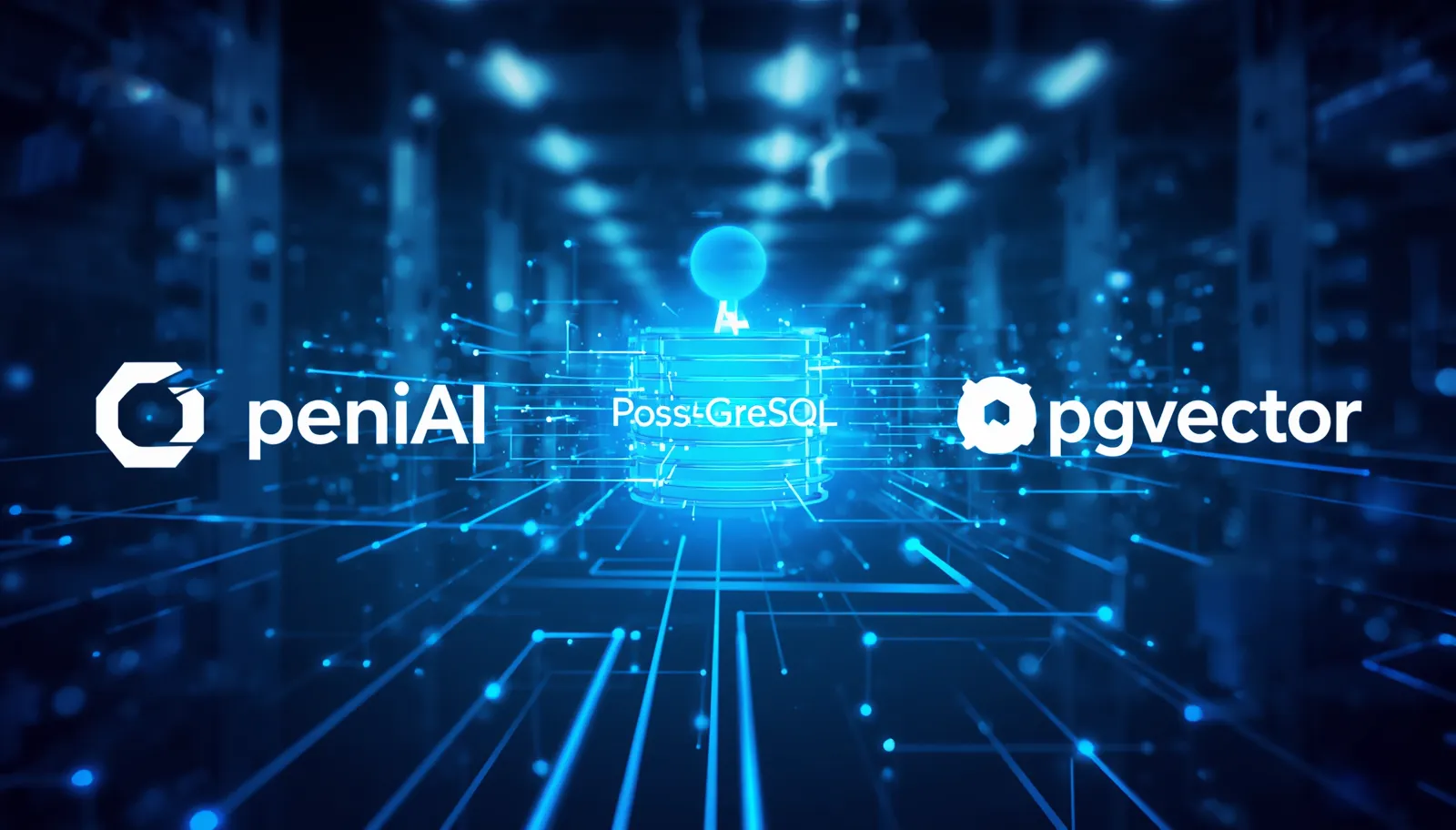
Production guide to semantic search with OpenAI text-embedding-3 and PostgreSQL pgvector. Learn HNSW index tuning, hybrid search with RRF, and SQL optimizations.
The Modern Retrieval Paradigm: Relational Data Meets Vector Embeddings
In early generative AI architectures, engineering teams frequently adopted dedicated, standalone vector databases (such as Pinecone, Qdrant, or Milvus) alongside their existing relational stores. However, in production, this dual-database topology introduces severe operational liabilities: distributed transaction desynchronization, eventual consistency lag, duplicate authorization checks, and spiraling SaaS infrastructure costs.
With the maturation of PostgreSQL 16+ and the pgvector 0.7+ extension, modern software architectures can store relational business entities, transactional ledgers, user access control lists (ACLs), and high-dimensional vector embeddings within a single unified, ACID-compliant database cluster.
1. Database Schema & HNSW Indexing Strategy in pgvector
To implement high-throughput search, we install the vector extension and define table schemas equipped with both vector embeddings and traditional PostgreSQL full-text search columns.
Production PostgreSQL SQL DDL
-- Enable the pgvector extension
CREATE EXTENSION IF NOT EXISTS vector;

-- Table storing documents, lexical search vectors, and semantic embeddings
CREATE TABLE enterprise_knowledge_base (
    id UUID PRIMARY KEY DEFAULT gen_random_uuid(),
    tenant_id UUID NOT NULL,
    title TEXT NOT NULL,
    content TEXT NOT NULL,
    category VARCHAR(64) NOT NULL,
    metadata JSONB DEFAULT '{}'::jsonb,

    -- Lexical search tsvector column
    tsv_content TSVECTOR GENERATED ALWAYS AS (
        setweight(to_tsvector('english', coalesce(title, '')), 'A') ||
        setweight(to_tsvector('english', coalesce(content, '')), 'B')
    ) STORED,

    -- Vector embedding (1536 dimensions for text-embedding-3-small)
    embedding VECTOR(1536),

    created_at TIMESTAMPTZ DEFAULT NOW(),
    updated_at TIMESTAMPTZ DEFAULT NOW()
);

-- 1. Create Generalized Inverted Index (GIN) for lexical text search
CREATE INDEX idx_knowledge_tsv ON enterprise_knowledge_base USING GIN(tsv_content);

-- 2. Create Hierarchical Navigable Small World (HNSW) index for vector cosine distance
-- m = 16 (bidirectional links per node), ef_construction = 128 (construction search depth)
SET maintenance_work_mem = '2GB';
CREATE INDEX idx_knowledge_hnsw_cosine ON enterprise_knowledge_base
USING hnsw (embedding vector_cosine_ops)
WITH (m = 16, ef_construction = 128);
2. Vector Distance Metrics: Choosing the Right Operator
pgvector supports three primary distance calculation operators:
<=>Cosine Distance: Measures the angular difference between vectors, ignoring magnitude. This is the correct metric for normalized embeddings such as OpenAI's models (distance = 1 - cosine_similarity).<->L2 / Euclidean Distance: Measures direct straight-line geometric distance. Ideal for spatial coordinates and computer vision feature spaces.<#>Negative Inner Product: Maximizes dot-product multiplication. Fastest computational operator when embeddings are pre-normalized to unit length.
3. End-to-End TypeScript Implementation: Ingestion & Hybrid RRF Search
The following production TypeScript service generates embeddings via the OpenAI API, executes parallel semantic and lexical searches in PostgreSQL, and merges rankings using Reciprocal Rank Fusion (RRF).
import OpenAI from "openai";
import { Pool } from "pg";

const openai = new OpenAI({ apiKey: process.env.OPENAI_API_KEY });
const pool = new Pool({ connectionString: process.env.DATABASE_URL });

export interface SearchResult {
  id: string;
  title: string;
  content: string;
  score: number;
}

/**
 * Generates normalized 1536-dimensional embedding using text-embedding-3-small
 */
export async function generateEmbedding(text: string): Promise {
  const cleanInput = text.replace(/\n/g, " ").trim();
  const response = await openai.embeddings.create({
    model: "text-embedding-3-small",
    input: cleanInput,
    encoding_format: "float",
  });
  return response.data[0].embedding;
}

/**
 * Executes hybrid search merging BM25 and Vector Cosine similarity via Reciprocal Rank Fusion
 */
export async function hybridSearch(query: string, tenantId: string, limit: number = 10): Promise {
  const queryEmbedding = await generateEmbedding(query);
  const vectorString = `[${queryEmbedding.join(",")}]`;

  // SQL query executing Reciprocal Rank Fusion (k = 60)
  const sql = `
    WITH semantic_search AS (
        SELECT id, title, content,
               ROW_NUMBER() OVER (ORDER BY embedding <=> $1::vector) as rank
        FROM enterprise_knowledge_base
        WHERE tenant_id = $2
        ORDER BY embedding <=> $1::vector
        LIMIT 40
    ),
    lexical_search AS (
        SELECT id, title, content,
               ROW_NUMBER() OVER (ORDER BY ts_rank_cd(tsv_content, plainto_tsquery('english', $3)) DESC) as rank
        FROM enterprise_knowledge_base
        WHERE tenant_id = $2 AND tsv_content @@ plainto_tsquery('english', $3)
        ORDER BY ts_rank_cd(tsv_content, plainto_tsquery('english', $3)) DESC
        LIMIT 40
    )
    SELECT
        COALESCE(s.id, l.id) as id,
        COALESCE(s.title, l.title) as title,
        COALESCE(s.content, l.content) as content,
        (
            COALESCE(1.0 / (60.0 + s.rank), 0.0) +
            COALESCE(1.0 / (60.0 + l.rank), 0.0)
        ) as rrf_score
    FROM semantic_search s
    FULL OUTER JOIN lexical_search l ON s.id = l.id
    ORDER BY rrf_score DESC
    LIMIT $4;
  `;

  const client = await pool.connect();
  try {
    // Tune HNSW search depth for this transaction (higher ef_search = higher recall)
    await client.query("SET LOCAL hnsw.ef_search = 64;");
    const result = await client.query(sql, [vectorString, tenantId, query, limit]);
    return result.rows.map(r => ({
      id: r.id,
      title: r.title,
      content: r.content,
      score: parseFloat(r.rrf_score),
    }));
  } finally {
    client.release();
  }
}
Benchmark Comparison: IVFFlat vs HNSW in Production
| Performance Metric | IVFFlat Index | HNSW Index (pgvector 0.7+) |
|---|---|---|
| Query Latency (p95) | 25ms – 80ms | 3ms – 12ms |
| Query Throughput (QPS) | 150 – 400 QPS | 1,500 – 4,000+ QPS |
| Search Recall Accuracy | 85% – 92% | 97% – 99.5% |
| Index Memory Footprint | Low (approx. 1.2x vector data) | Higher (approx. 1.5x–2x vector data) |
| Index Build Time | Fast (Minutes for 1M vectors) | Moderate (Requires sufficient RAM) |
| Training Step Requirement | Mandatory (Requires pre-populated data) | None (Builds incrementally on live writes) |
Performance Tuning & Memory Sizing Rules
- Set
maintenance_work_memHigh During Index Creation: HNSW graph construction requires substantial memory. SetSET maintenance_work_mem = '4GB';before executingCREATE INDEXto prevent temporary disk spills. - Tune
hnsw.ef_searchDynamically: The defaultef_searchis 40. For higher recall in deep knowledge bases, increase to64or100at the session level. - Keep HNSW Graphs in Buffer Cache: For sub-10ms search responses, ensure the total size of your HNSW indexes fits entirely within PostgreSQL's
shared_buffersand the operating system file system cache.
Enterprise Search Engineering with Betadrix
Modernizing search infrastructure from brittle keyword engines to high-performance semantic retrieval transforms customer conversion and internal employee productivity. At Betadrix, our AI and database architects design low-latency vector search architectures, hybrid RAG retrieval pipelines, and enterprise PostgreSQL databases. Discover our AI development services, consult our PostgreSQL development services, or custom software development offerings to scale your retrieval systems.
Related Services from Betadrix
Deploying high-concurrency semantic vector search with pgvector eliminates distributed transaction lag by unifying relational entities with vector embeddings. Betadrix's AI development services include hybrid search engineering, OpenAI model fine-tuning, and RAG retrieval pipelines. For organizations scaling complex data platforms, our custom software development services deliver resilient backend APIs and sub-millisecond database architectures.
Related Services
Series Guide
AI & Intelligent Systems
Explore Categories
Browse More Technical Topics & Industry Guides
?Frequently Asked Questions
Why use PostgreSQL pgvector instead of dedicated vector databases like Pinecone, Weaviate, or Qdrant?
What is the difference between HNSW and IVFFlat index types in pgvector?
What OpenAI embedding model should be used in 2026?
What is Hybrid Search and why is pure vector search often insufficient?
How do you scale pgvector beyond millions of vectors?
How does Betadrix assist organizations deploying production AI search and RAG systems?
Shivam Swami
Founder & CEOShivam Swami is the Founder & CEO of Betadrix, driving technical vision, distributed systems engineering, high-throughput iGaming platforms, and enterprise AI architecture.
Build Your Custom Project
Connect with technical architects for scope and estimation.
More Articles in AI & Machine Learning


Related services built to solve your specific challenges



Watch.
Learn.
Grow.
Discover how our engineered solutions transform industries and propel client operations forward.
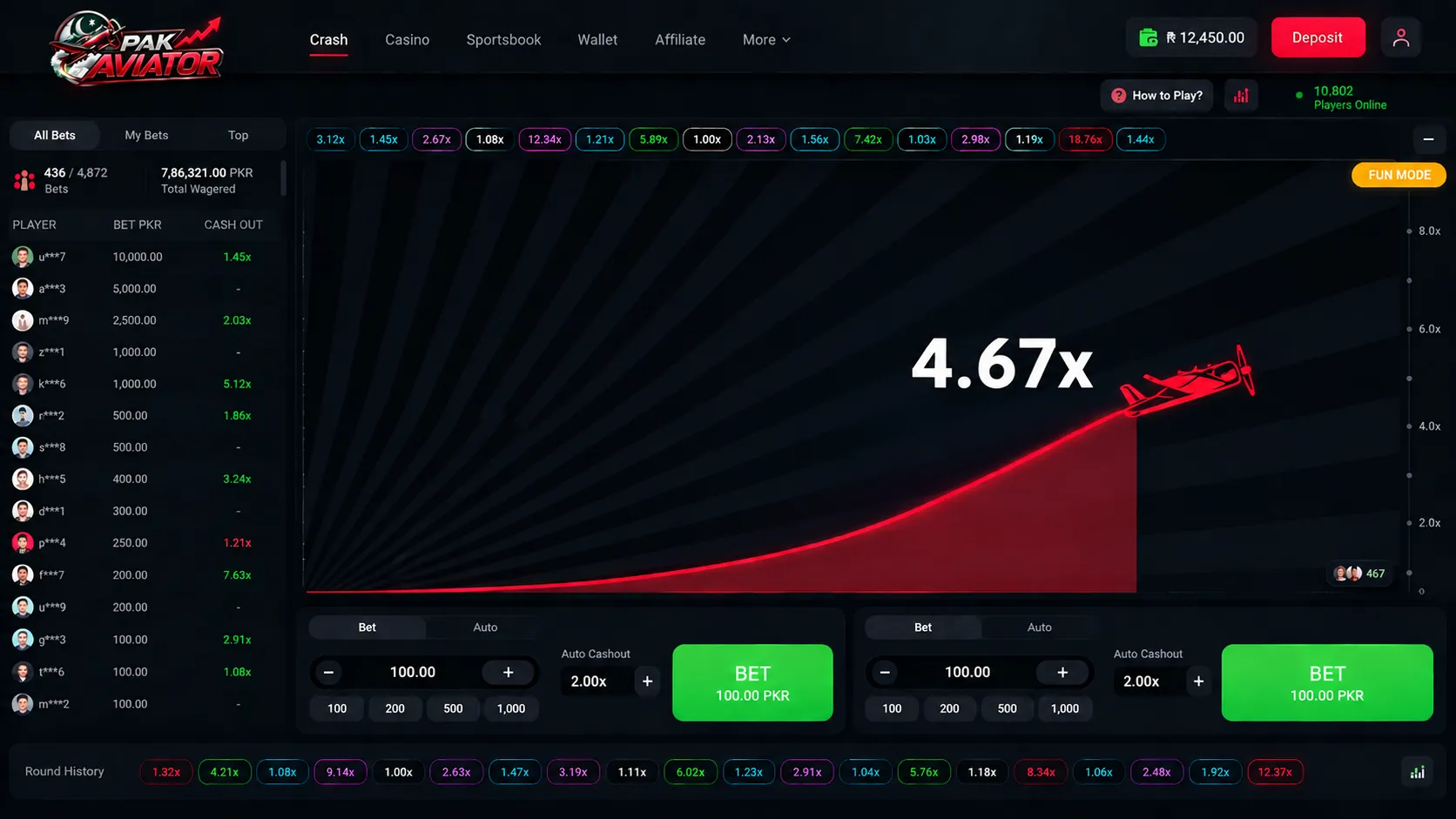
Owning the Game, Not Renting It: Custom Crash Game Development for a Lahore-Based iGaming Operator
READ CASE STUDY

Technologies & Frameworks Powering This Service

Model Context Protocol (MCP) Development | Enterprise AI Agent Infrastructure | Betadrix
ai



Node.js Development Services | High-Concurrency Event-Driven Architecture | Betadrix
backend

.NET Development Services | Enterprise C# & ASP.NET Core Engineering | Betadrix
backend
Hire Specialized Developers For Your Service Project

React Developers
Pre-vetted senior React Developers ready to deploy into your existing architecture in 3-7 days.

Flutter Developers
Pre-vetted senior Flutter Developers ready to deploy into your existing architecture in 3-7 days.

Python Developers
Pre-vetted senior Python Developers ready to deploy into your existing architecture in 3-7 days.

Nodejs Developers
Pre-vetted senior Nodejs Developers ready to deploy into your existing architecture in 3-7 days.
What Our Clients Say
“Mobile app development and cloud migration were handled smoothly. Strong technical skills, clear communication, and dependable post-launch support stood out throughout the engagement.”

Sarah Mitchell
Director of Operations, HealthFirst Clinics
Have a Project in Mind?
Let's Build It Together.
Connect directly with our senior software architects and technical leads. We evaluate your requirements and deliver an actionable technical proposal within 24 hours.
Strict NDA Protection
Your intellectual property and technical specs remain 100% confidential.
24-Hour Response Guarantee
Guaranteed evaluation and scoping reply from an engineering manager.
Zero Obligation Estimate
Get accurate cost breakdowns and tech stack recommendations free of charge.
Request Free Technical Consultation
Let's build something serious.
Diagnose your system architecture, budget ranges, and roadmap parameters with an expert.
Scoping Diagnostic
Analyze your workflows in 60 seconds. A senior AI architect reviews every parameter personally.
 4.9/5.0 Partner
 4.8/5.0 Leader
 4.9/5.0 Rated
 4.8/5.0 Excellent
Not sure where AI actually moves the needle for you?
Answer a few brief questions. We will deliver a highly concrete scoping plan within 24 hours including:
- Recommendations on automation use-cases and MVP components
- Calculations on expected ROI and engineering timelines
- A structural roadmap to make your legacy stack AI-native