
Agentic Workflows for Enterprise SaaS: Multi-Agent DAGs, Supervisory LLMs, and B2B Gateway Rate Limiting

Technology Specialists
 17 min read
Engineering guide to autonomous agentic workflows in B2B SaaS. LangGraph state machines, Human-in-the-Loop controls, and MCP tool calling.
Moving from Static Chatbots to Autonomous Agentic Workflows
The first wave of enterprise generative AI was dominated by simple retrieval-augmented chatbots and prompt-completion interfaces. While helpful for basic lookup, single-turn interactions cannot execute multi-step business operations: investigating a customer fraud alert, conducting financial vendor reconciliations, or orchestrating a security incident response. These complex operational tasks require Autonomous Agentic Workflows.
Unlike monolithic prompts, agentic workflows decompose high-level business goals into a Directed Acyclic Graph (DAG) of specialized, cooperating AI agents. A supervisory agent plans execution, delegates subtasks to domain-specific worker agents (e.g., Code Executor, SQL Inspector, CRM Updater), evaluates intermediate outputs against strict validation schemas, and requests human confirmation before triggering high-risk mutations.
At Betadrix, our AI agent development team builds enterprise autonomous workflows. In this comprehensive guide, we dissect the architecture of enterprise multi-agent systems, exploring supervisory routing with LangGraph, B2B API Gateway token rate limiting, multi-tenant state isolation ("tent"), and production failure post-mortems. For agent protocols, explore our guide on Model Context Protocol (MCP) development and our AI development services.
Enterprise Multi-Agent System Topology: Gateway, Supervisor, and Workers
Below is the production architecture for an enterprise agentic platform coordinating multi-agent workflows with state persistence and human-in-the-loop checkpoints:
+-------------------------------------------------------------------------------+
|                    ENTERPRISE MULTI-AGENT SaaS TOPOLOGY                       |
+-------------------------------------------------------------------------------+
[Enterprise User / Upstream Webhook] (Slack / Webhook / REST Trigger)
       |
       | HTTPS POST /v1/agents/execute
       v
+-------------------------------------------------------------------------------+
| [B2B API Gateway] (Kong / Envoy L7 Proxy)                                     |
|  - Multi-Tenant Authentication (x-tenant-id, x-user-id Header Injection)     |
|  - Token Bucket Rate Limiting (Protects LLM API Spend: Max $50/hr/tenant)     |
|  - Request Signature Verification (HMAC-SHA256)                               |
+-------------------------------------------------------------------------------+
       |
       v
+-------------------------------------------------------------------------------+
| [Supervisory Agent Coordinator] (LangGraph / AutoGen State Machine)           |
|  - Decomposes User Goal into Execution DAG                                    |
|  - Dynamic Route Planning & Worker Agent Selection                            |
|  - Enforces Human-in-the-Loop (HITL) Checkpoints for Destructive Actions     |
+-------------------------------------------------------------------------------+
       |
       +-----------------------+-----------------------+
       |                       |                       |
       v                       v                       v
+--------------------+  +--------------------+  +--------------------+
| [Research Agent]   |  | [Data Engine Agent]|  | [Action Agent]     |
| - Web Search API   |  | - SQL MCP Tool     |  | - Stripe / CRM API |
| - Vector Retrieval |  | - Dataframe Pandas |  | - Email Dispatch   |
+--------------------+  +--------------------+  +--------------------+
       |                       |                       |
       +-----------------------+-----------------------+
                               |
                               v
+-------------------------------------------------------------------------------+
| [State & Memory Store]                                                        |
|  - Redis 7.2: Ephemeral Agent Checkpoint State & Semantic Vector Tool Cache   |
|  - Multi-Tenant PostgreSQL: Durable Audit Trail & LangGraph PostgresSaver     |
+-------------------------------------------------------------------------------+
Multi-Tenant Agent Isolation ("Tent")
- Tenant-Scoped Tool Credentials: When an agent invokes a tool, credentials are retrieved exclusively from the tenant's encrypted secret store:
vault.get_secret(tenant_id, "salesforce_token"). - State Checkpoint Isolation: LangGraph state graphs persist checkpoints in PostgreSQL tagged with
tenant_idandthread_id, isolated via Row-Level Security. - LLM Token Budget Quotas: The B2B API Gateway tracks token consumption against tenant tier quotas, terminating threads that exceed budget.
Production Implementation: LangGraph Multi-Agent Workflow in Python
from typing import Annotated, Literal, TypedDict
from langchain_core.messages import BaseMessage, HumanMessage
from langchain_openai import ChatOpenAI
from langgraph.graph import StateGraph, END

class AgentWorkflowState(TypedDict):
    messages: list[BaseMessage]
    tenant_id: str
    next_node: str
    requires_human_approval: bool
    is_completed: bool

model = ChatOpenAI(model="gpt-4o", temperature=0.0)

def supervisor_agent(state: AgentWorkflowState) -> AgentWorkflowState:
    messages = state["messages"]
    system_prompt = (
        "You are an enterprise supervisor agent. "
        "Analyze the conversation and route execution to: 'data_analyzer', 'action_executor', or 'finish'. "
        "If a financial transfer or destructive update is required, set requires_human_approval to True."
    )
    response = model.invoke([HumanMessage(content=system_prompt)] + messages)
    decision = response.content.strip().lower()

    if "action" in decision:
        return {**state, "next_node": "action_executor", "requires_human_approval": True}
    elif "data" in decision:
        return {**state, "next_node": "data_analyzer", "requires_human_approval": False}
    else:
        return {**state, "next_node": "finish", "is_completed": True}

def data_analyzer(state: AgentWorkflowState) -> AgentWorkflowState:
    tenant_id = state["tenant_id"]
    summary = f"Analyzed Q3 data for tenant {tenant_id}: Total revenue $4.8M with 12% margin."
    return {
        **state,
        "messages": state["messages"] + [HumanMessage(content=summary)],
        "next_node": "supervisor",
    }

def action_executor(state: AgentWorkflowState) -> AgentWorkflowState:
    if state.get("requires_human_approval"):
        return {**state, "next_node": "human_approval_checkpoint"}
    result = "Executed B2B workflow mutation successfully."
    return {
        **state,
        "messages": state["messages"] + [HumanMessage(content=result)],
        "next_node": "supervisor",
    }

workflow = StateGraph(AgentWorkflowState)
workflow.add_node("supervisor", supervisor_agent)
workflow.add_node("data_analyzer", data_analyzer)
workflow.add_node("action_executor", action_executor)
workflow.set_entry_point("supervisor")

workflow.add_conditional_edges(
    "supervisor",
    lambda state: state["next_node"],
    {
        "data_analyzer": "data_analyzer",
        "action_executor": "action_executor",
        "finish": END,
    },
)
workflow.add_edge("data_analyzer", "supervisor")
workflow.add_edge("action_executor", "supervisor")
app = workflow.compile()
Real-World Production Failure Modes
- Infinite Recursive Tool Calling Loops: An agent with ambiguous errors repeatedly re-queries the tool. Mitigation: Configure maximum recursion limits (
recursion_limit: 15). - State Serialization Corruption in Queues: Passing un-serializable objects into checkpoints crashes worker deserializers. Mitigation: Enforce Pydantic validation on all state properties.
- Non-Deterministic Supervisor Branching: High temperature causes supervisor hallucinations. Mitigation: Force
temperature=0.0and validate routing outputs against strict enums.
Related Services from Betadrix
Embedding agentic workflows inside enterprise SaaS products demands careful attention to security, auditability, and multi-tenancy. Betadrix provides AI & machine learning development services to build agentic middleware layers, and our enterprise software development services ensure the surrounding product meets SOC 2, GDPR, and ISO 27001 standards expected at enterprise scale.
Series Guide
AI & Intelligent Systems
Explore Categories
Browse More Technical Topics & Industry Guides
?Frequently Asked Questions
What is the difference between an AI workflow and an autonomous AI agent?
Why is LangGraph preferred for enterprise multi-agent systems?
How do you protect enterprise budgets from runaway agent loops?
What is a Human-in-the-Loop (HITL) checkpoint in agentic workflows?
Can multiple agents share memory while respecting multi-tenant security?
What tools can autonomous enterprise agents interact with?
Betadrix Engineering Team
Technology SpecialistsThe Betadrix Engineering Team consists of dedicated full-stack developers, mobile app specialists, and product designers focused on delivering premium enterprise solutions.
Build Your Custom Project
Connect with technical architects for scope and estimation.
More Articles in Technology




Related services built to solve your specific challenges


Watch.
Learn.
Grow.
Discover how our engineered solutions transform industries and propel client operations forward.

Slot Aggregator Platform Case Study: Designed So a Player Is Never Charged Twice | Betadrix
READ CASE STUDY
Technologies & Frameworks Powering This Service





Hire Specialized Developers For Your Service Project

Nodejs Developers
Pre-vetted senior Nodejs Developers ready to deploy into your existing architecture in 3-7 days.
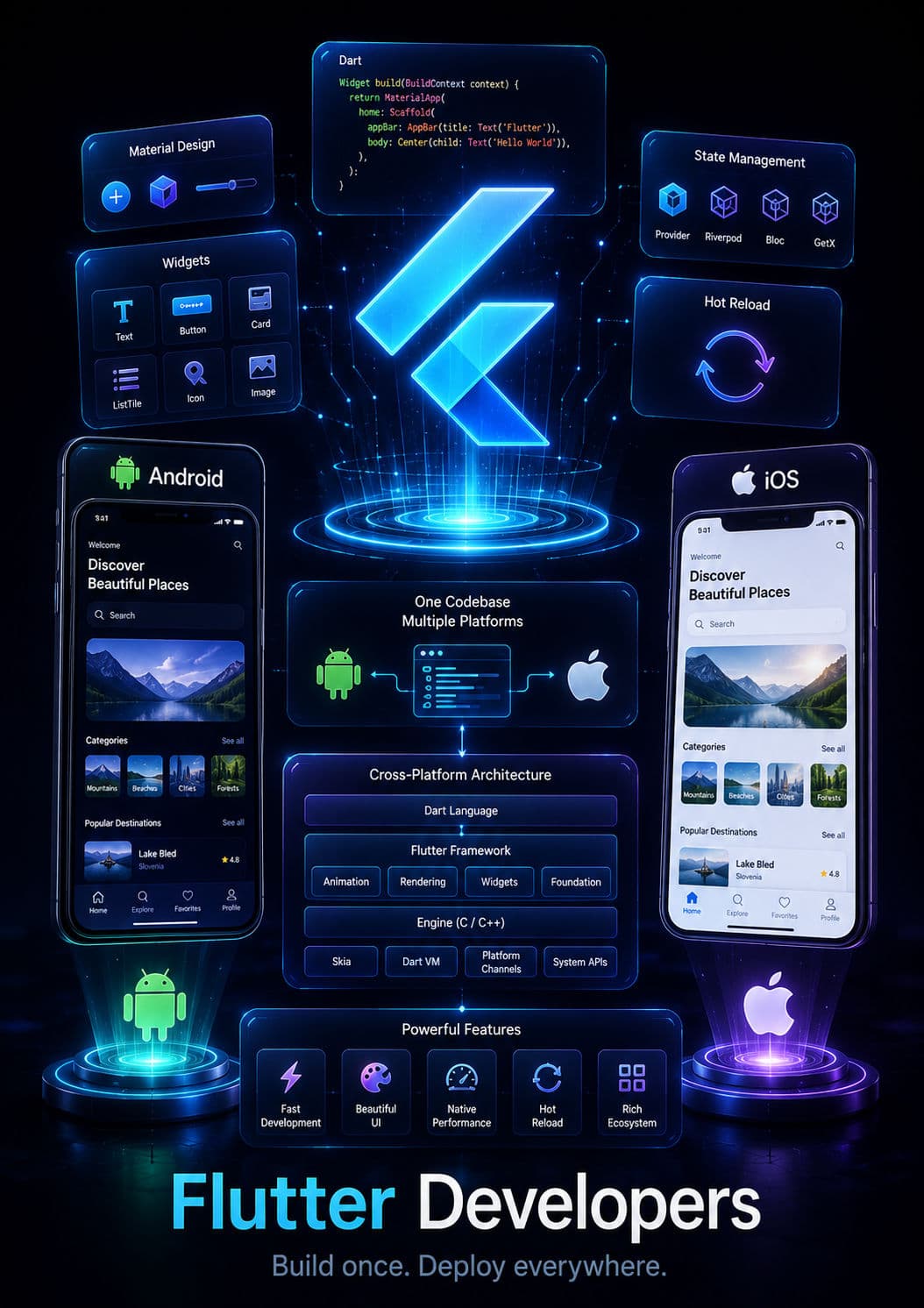
Flutter Developers
Pre-vetted senior Flutter Developers ready to deploy into your existing architecture in 3-7 days.
React Developers
Pre-vetted senior React Developers ready to deploy into your existing architecture in 3-7 days.

Python Developers
Pre-vetted senior Python Developers ready to deploy into your existing architecture in 3-7 days.
What Our Clients Say
“Mobile app development and cloud migration were handled smoothly. Strong technical skills, clear communication, and dependable post-launch support stood out throughout the engagement.”

Sarah Mitchell
Director of Operations, HealthFirst Clinics
Have a Project in Mind?
Let's Build It Together.
Connect directly with our senior software architects and technical leads. We evaluate your requirements and deliver an actionable technical proposal within 24 hours.
Strict NDA Protection
Your intellectual property and technical specs remain 100% confidential.
24-Hour Response Guarantee
Guaranteed evaluation and scoping reply from an engineering manager.
Zero Obligation Estimate
Get accurate cost breakdowns and tech stack recommendations free of charge.
Request Free Technical Consultation
Let's build something serious.
Diagnose your system architecture, budget ranges, and roadmap parameters with an expert.
Scoping Diagnostic
Analyze your workflows in 60 seconds. A senior AI architect reviews every parameter personally.
 4.9/5.0 Partner
 4.8/5.0 Leader
 4.9/5.0 Rated
 4.8/5.0 Excellent
Not sure where AI actually moves the needle for you?
Answer a few brief questions. We will deliver a highly concrete scoping plan within 24 hours including:
- Recommendations on automation use-cases and MVP components
- Calculations on expected ROI and engineering timelines
- A structural roadmap to make your legacy stack AI-native