
AI Fitness App Development Guide (2026): Computer Vision, Wearables Sync, Architecture & Cost Breakdown

Founder & CEO
 12 min read
Build an AI fitness app in 2026. Complete guide with computer vision rep tracking, HealthKit/Health Connect wearables sync, architecture blueprints, and itemized cost breakdown.
The AI Revolution in Digital Fitness: Beyond Generic Video Playlists
The global digital fitness market has evolved dramatically. Static workout videos and generic timer apps are experiencing precipitous churn rates as users demand hyper-personalized, real-time interactive training experiences. In 2026, leading fitness applications leverage on-device computer vision for millisecond-grade posture correction, wearables telemetry streams for real-time exertion monitoring, and agentic LLMs for adaptive periodization programming.
Engineering a scalable AI fitness application requires solving complex multi-modal technical challenges: executing deep learning inference at 60 FPS without overheating mobile batteries, streaming BLE Bluetooth metrics with zero packet loss, and maintaining strict biometric privacy compliance. This comprehensive engineering guide explores the complete system architecture, computer vision pipeline, wearables data flow, and an itemized cost and timeline breakdown for 2026.
1. Real-Time Computer Vision Pose Estimation: Architecture & Code
The core technological differentiator of modern AI fitness applications is automated rep counting and kinematic form analysis. Rather than streaming high-bandwidth raw video to expensive cloud GPU servers, enterprise mobile architectures execute computer vision models directly on the client device.
The Edge Inference Pipeline
- Frame Capture: The mobile camera captures video frames at 30–60 FPS in YUV_420_888 format.
- Keypoint Extraction: An on-device model (such as Google MediaPipe Pose or a fine-tuned YOLOv8-pose quantized to INT8) detects 33 distinct anatomical 3D landmark coordinates (shoulders, elbows, hips, knees, ankles).
- Geometric Kinematics: Trigonometric vector analysis computes real-time joint angles (e.g., knee flexion angle during a squat or elbow extension during a bench press).
- Rep State Machine: A deterministic Finite State Machine (FSM) tracks movement phases (e.g.,
ECCENTRIC,INFLECTION_POINT,CONCENTRIC,COMPLETED) to accurately register reps while detecting form breakdown (e.g., knee valgus collapse or lumbar rounding).
Production TypeScript / Python Kinematic Analysis Code
The following algorithm calculates the precise 3D interior joint angle between three skeletal landmarks (e.g. Hip, Knee, and Ankle) and implements threshold-based rep detection:
interface Landmark3D {
  x: number;
  y: number;
  z: number;
  visibility: number;
}

/**
 * Calculates the interior angle in degrees formed by three skeletal points: A (Hip), B (Knee), C (Ankle).
 */
export function calculateJointAngle(a: Landmark3D, b: Landmark3D, c: Landmark3D): number {
  // Vector BA: (A - B)
  const vBA = { x: a.x - b.x, y: a.y - b.y, z: a.z - b.z };
  // Vector BC: (C - B)
  const vBC = { x: c.x - b.x, y: c.y - b.y, z: c.z - b.z };

  const dotProduct = (vBA.x * vBC.x) + (vBA.y * vBC.y) + (vBA.z * vBC.z);
  const magnitudeBA = Math.sqrt(vBA.x ** 2 + vBA.y ** 2 + vBA.z ** 2);
  const magnitudeBC = Math.sqrt(vBC.x ** 2 + vBC.y ** 2 + vBC.z ** 2);

  if (magnitudeBA === 0 || magnitudeBC === 0) return 0;

  const cosineTheta = Math.max(-1, Math.min(1, dotProduct / (magnitudeBA * magnitudeBC)));
  const angleRadians = Math.acos(cosineTheta);
  return (angleRadians * 180) / Math.PI;
}

export enum SquatPhase {
  STANDING = "STANDING",
  DESCENDING = "DESCENDING",
  BOTTOM_INFLECTION = "BOTTOM_INFLECTION",
  ASCENDING = "ASCENDING"
}

export class SquatRepCounter {
  private phase: SquatPhase = SquatPhase.STANDING;
  public repCount: number = 0;
  public feedbackAlerts: string[] = [];

  public processFrame(hip: Landmark3D, knee: Landmark3D, ankle: Landmark3D): void {
    if (hip.visibility < 0.6 || knee.visibility < 0.6 || ankle.visibility < 0.6) {
      return; // Skip low-confidence frames
    }

    const kneeAngle = calculateJointAngle(hip, knee, ankle);

    switch (this.phase) {
      case SquatPhase.STANDING:
        if (kneeAngle < 150) {
          this.phase = SquatPhase.DESCENDING;
        }
        break;

      case SquatPhase.DESCENDING:
        if (kneeAngle <= 95) {
          this.phase = SquatPhase.BOTTOM_INFLECTION;
        }
        break;

      case SquatPhase.BOTTOM_INFLECTION:
        if (kneeAngle > 105) {
          this.phase = SquatPhase.ASCENDING;
        }
        break;

      case SquatPhase.ASCENDING:
        if (kneeAngle >= 160) {
          this.repCount++;
          this.phase = SquatPhase.STANDING;
          this.feedbackAlerts.push("Rep completed with full extension.");
        }
        break;
    }
  }
}
2. Wearables Synchronization: HealthKit & Google Health Connect
An intelligent fitness app cannot rely on workout inputs alone. It must factor in systemic physical recovery, sleep quality, and daily energy expenditure.
Unified Telemetry Integration Architecture
- Apple HealthKit (iOS): Direct observer queries for
HKQuantityTypeIdentifierHeartRate,HKQuantityTypeIdentifierRestingHeartRate,HKQuantityTypeIdentifierHeartRateVariabilitySDNN, andHKCategoryTypeIdentifierSleepAnalysis. Background delivery anchors alert the app to overnight recovery shifts. - Google Health Connect (Android): Replaces legacy Google Fit APIs. Provides granular permission scopes and local encrypted device storage for syncing heart rate, distance, and active calories across Samsung Health, Pixel Watch, and Garmin.
- Bluetooth Low Energy (BLE) GATT Direct Streaming: For intensive workout tracking (e.g. HIIT and spinning), the app establishes direct BLE connections to chest straps (Polar H10, Garmin HRM-Pro) using the standard Heart Rate Service UUID (
0x180D), delivering sub-second BPM updates with zero battery drain.
3. RAG-Powered Adaptive AI Coaching Engine
To deliver true adaptive intelligence, the backend must dynamically adjust programming based on real-time fatigue signals. If a user exhibits depressed Heart Rate Variability (HRV) and poor sleep duration, the AI should dynamically modulate the training session—reducing set volume, lowering target RPE (Rate of Perceived Exertion), or swapping intense compound lifts for active recovery mobility drills.
We implement this via an asynchronous RAG pipeline:
- Vector Store Indexing: Certified exercise biomechanics protocols, exercise substitution trees, and contraindication rules are vectorized using
text-embedding-3-smalland indexed in PostgreSQL viapgvector. - Contextual User Retrieval: When generating a workout session, the orchestrator queries the user's historical 30-day volume, current soreness logs, available gym equipment, and current biometric readiness score.
- Structured LLM Generation: The model outputs a strict JSON payload with sets, reps, warm-up mobility routines, and audio cues parsed natively by the mobile client.
4. Complete Cost and Development Timeline Breakdown (2026)
The cost of building an AI fitness application scales with computer vision complexity, wearables depth, and social/gamification features. Below is an itemized breakdown based on real production milestones:
| Project Module | Key Deliverables | Timeline | Cost Range (USD) |
|---|---|---|---|
| Discovery, UX & Design System | User journey maps, 40+ mobile screens, workout HUD, design token system, clickable prototype | 2 – 3 Weeks | $4,000 – $8,000 |
| On-Device Computer Vision Engine | Pose landmark integration (CoreML / TFLite), joint angle kinematics, rep FSM, real-time audio form feedback | 4 – 6 Weeks | $12,000 – $22,000 |
| Wearables & Sensor Integration | Apple HealthKit, Google Health Connect, BLE GATT heart rate stream, background sync anchors | 2 – 3 Weeks | $6,000 – $10,000 |
| AI Backend & RAG Workout Engine | FastAPI backend, PostgreSQL / pgvector, OpenAI / Anthropic agent pipelines, adaptive workout generation | 3 – 5 Weeks | $8,000 – $16,000 |
| Cross-Platform Mobile App (Flutter/RN) | Offline-first architecture (SQLite/Drift), video player cache, user auth, social feeds, gamification badges | 4 – 6 Weeks | $10,000 – $18,000 |
| Billing, Subscriptions & Admin Console | RevenueCat / Stripe in-app subscriptions, customer support portal, analytics dashboards, push notifications | 2 – 3 Weeks | $4,000 – $7,000 |
| QA, Field Load Testing & Security Audit | Automated integration tests, multi-device camera latency testing, HIPAA/GDPR compliance verification | 2 – 3 Weeks | $4,000 – $7,000 |
| TOTAL (End-to-End Build) | Production-ready AI Fitness Mobile Application (iOS & Android) | 10 – 16 Weeks | $48,000 – $88,000+ |
MVP vs Production-Ready Tiering
- Core MVP ($25,000 – $40,000 | 8–10 Weeks): Includes cross-platform mobile app, single-exercise computer vision rep counter (e.g. squats/pushups), HealthKit/Health Connect daily summary sync, and basic subscription paywall.
- Commercial Production Platform ($50,000 – $90,000+ | 12–16 Weeks): Full exercise catalog (50+ computer vision form models), real-time BLE heart rate coaching, RAG-powered adaptive meal and workout generation, social leaderboards, and complete back-office admin analytics.
5. Critical Engineering Pitfalls to Avoid
- Do Not Process Video on the Cloud: Streaming camera feeds to cloud GPUs introduces 300–800ms latency, destroys interactive rep cadence, and results in catastrophic cloud hosting bills ($0.05–$0.20 per workout hour per user). Keep inference on-device.
- Design for Offline-First Architecture: Gym basements frequently have zero cellular reception. The application must cache workouts, exercise demonstration videos, and local AI form logic locally using SQLite. Results synchronize seamlessly once network connectivity is restored.
- Implement Battery and Thermal Throttling Guards: Running computer vision continuously at 60 FPS causes mobile processors to thermal-throttle after 15 minutes. Downsample inference to 20–30 FPS while maintaining 60 FPS UI rendering, utilizing hardware accelerators (Apple Neural Engine / Qualcomm Hexagon).
Engineering Your AI Fitness Application with Betadrix
At Betadrix, our AI and mobile product engineering teams have built enterprise digital health and fitness applications serving global scale. Whether you need custom computer vision model quantization, high-performance cross-platform mobile engineering, or scalable HIPAA-compliant backend cloud architectures, our team accelerates your time to market. Learn more about our specialized AI development services, explore our mobile app development practice, or hire Flutter developers to begin building today.
Related Services from Betadrix
Integrating AI into a fitness application — from personalised workout generation to computer-vision form correction and predictive recovery planning — requires both ML expertise and mobile product experience. Betadrix's AI development services include model integration, inference optimisation, and on-device ML deployment for iOS and Android. Whether you are building a coaching app, a wearables companion, or an enterprise wellness platform, our team delivers AI-powered experiences that retain users.
Related Services
Series Guide
AI & Intelligent Systems
Explore Categories
Browse More Technical Topics & Industry Guides
?Frequently Asked Questions
How much does it cost to develop an AI fitness mobile application in 2026?
Does computer vision pose estimation require heavy cloud GPU streaming or can it run on-device?
How do AI fitness apps connect to smartwatches and fitness wearables?
How do LLMs and RAG create personalized fitness and nutrition plans?
What privacy and regulatory standards apply to AI fitness applications?
How does Betadrix help startups and health brands build AI fitness apps?
Shivam Swami
Founder & CEOShivam Swami is the Founder & CEO of Betadrix, driving technical vision, distributed systems engineering, high-throughput iGaming platforms, and enterprise AI architecture.
Build Your Custom Project
Connect with technical architects for scope and estimation.
More Articles in AI & Machine Learning



Related services built to solve your specific challenges



Watch.
Learn.
Grow.
Discover how our engineered solutions transform industries and propel client operations forward.
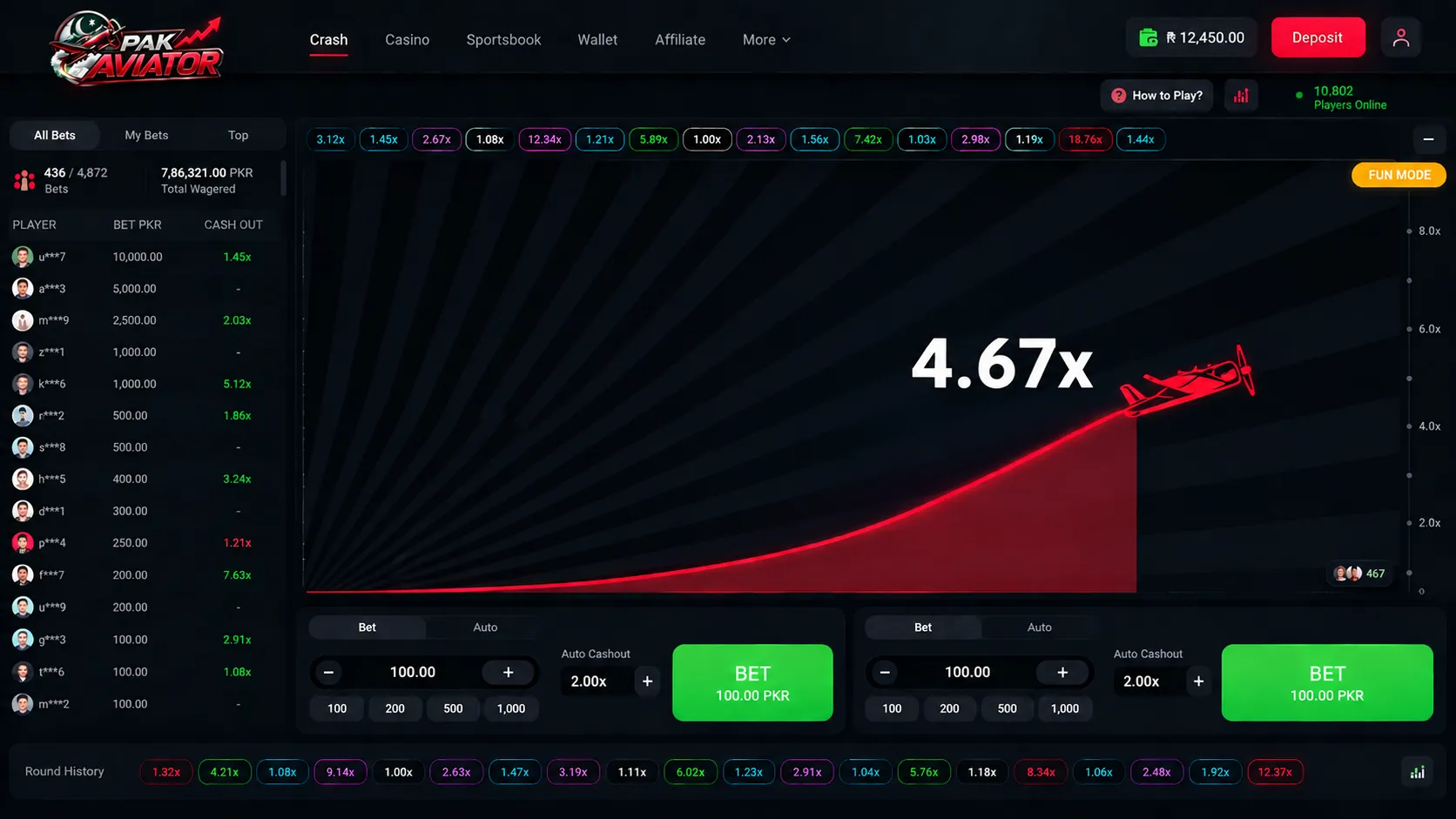
Owning the Game, Not Renting It: Custom Crash Game Development for a Lahore-Based iGaming Operator
READ CASE STUDY

Technologies & Frameworks Powering This Service

Model Context Protocol (MCP) Development | Enterprise AI Agent Infrastructure | Betadrix
ai



Node.js Development Services | High-Concurrency Event-Driven Architecture | Betadrix
backend

.NET Development Services | Enterprise C# & ASP.NET Core Engineering | Betadrix
backend
Hire Specialized Developers For Your Service Project

Nodejs Developers
Pre-vetted senior Nodejs Developers ready to deploy into your existing architecture in 3-7 days.

Flutter Developers
Pre-vetted senior Flutter Developers ready to deploy into your existing architecture in 3-7 days.

Python Developers
Pre-vetted senior Python Developers ready to deploy into your existing architecture in 3-7 days.

React Developers
Pre-vetted senior React Developers ready to deploy into your existing architecture in 3-7 days.
What Our Clients Say
“Mobile app development and cloud migration were handled smoothly. Strong technical skills, clear communication, and dependable post-launch support stood out throughout the engagement.”

Sarah Mitchell
Director of Operations, HealthFirst Clinics
Have a Project in Mind?
Let's Build It Together.
Connect directly with our senior software architects and technical leads. We evaluate your requirements and deliver an actionable technical proposal within 24 hours.
Strict NDA Protection
Your intellectual property and technical specs remain 100% confidential.
24-Hour Response Guarantee
Guaranteed evaluation and scoping reply from an engineering manager.
Zero Obligation Estimate
Get accurate cost breakdowns and tech stack recommendations free of charge.
Request Free Technical Consultation
Let's build something serious.
Diagnose your system architecture, budget ranges, and roadmap parameters with an expert.
Scoping Diagnostic
Analyze your workflows in 60 seconds. A senior AI architect reviews every parameter personally.
 4.9/5.0 Partner
 4.8/5.0 Leader
 4.9/5.0 Rated
 4.8/5.0 Excellent
Not sure where AI actually moves the needle for you?
Answer a few brief questions. We will deliver a highly concrete scoping plan within 24 hours including:
- Recommendations on automation use-cases and MVP components
- Calculations on expected ROI and engineering timelines
- A structural roadmap to make your legacy stack AI-native