
A Step-by-Step Process to Build an MVP in 2026: Modular Monoliths, Envoy API Gateways, and Multi-Tenant SaaS Foundations

Lead Cloud Solutions Architect
 17 min read
Step-by-step engineering roadmap for building a scalable Minimum Viable Product (MVP). Architecture selection, lean sprint cycles, and tech stack guidelines.
The Startup Graveyard: Why 90% of MVPs Fail Before Product-Market Fit
In modern software engineering, the traditional definition of a Minimum Viable Product (MVP) has evolved dramatically. A decade ago, an MVP was often an unstable, throwaway prototype built with duct-tape scripts and slow relational databases. Today, enterprise buyers and consumers expect sub-100ms response times, intuitive UI polish, SOC 2 compliance, and rock-solid reliability from day one.
However, startup engineering teams frequently fall into one of two fatal traps: either building an over-engineered distributed microservices mesh that exhausts runway before launch, or building an unmaintainable spaghetti monolith that cannot support multi-tenancy or basic security audits. The solution is the Modular Monolith backed by an L7 Envoy API Gateway.
At Betadrix, our MVP development services help founders and enterprise innovation labs build scalable software foundations. In this architectural guide, we walk step-by-step through our 8-week MVP roadmap, detailing L7 load balancing, multi-tenant data isolation ("tent"), B2B API gateway security, Stripe billing idempotency, and realistic cost models. For full stack execution, explore our guide on MVP development cost breakdowns and our services to hire full stack developers.
Enterprise Architecture: The Modular Monolith with Envoy Ingress
Rather than deploying 15 microservices on Day 1, high-performing startups build a Modular Monolith. The codebase runs in a single deployable container, but internally adheres to strict domain boundary separation (bounded contexts) communicating via in-process interfaces. An Envoy L7 proxy handles external traffic, rate limiting, and SSL termination:
+-------------------------------------------------------------------------------+
|                      ENTERPRISE MODULAR MONOLITH MVP TOPOLOGY                 |
+-------------------------------------------------------------------------------+
[Client Applications] (Next.js 15 Web App / Mobile React Native / B2B API Clients)
       |
       | HTTPS / HTTP/2
       v
+-------------------------------------------------------------------------------+
| [L7 Envoy API Gateway / Ingress]                                              |
|  - TLS 1.3 Termination & Certificate Management (Let's Encrypt / AWS ACM)     |
|  - Tenant Token Bucket Rate Limiting (1,000 req/min for free, 10k for pro)    |
|  - Path Routing: /api/* -> Backend, /_next/* -> Static CDN, /webhooks/* -> MQ |
+-------------------------------------------------------------------------------+
       |
       v
+-------------------------------------------------------------------------------+
| [Modular Monolith Container Pods] (Node.js TypeScript / Next.js App Router)   |
|                                                                               |
|  +--------------------+  +--------------------+  +--------------------+       |
|  | [Auth Module]      |  | [Billing Module]   |  | [Core Domain Module|       |
|  | - NextAuth / JWT   |  | - Stripe Webhooks  |  | - Bounded Context  |       |
|  | - RBAC Roles       |  | - Idempotency Keys |  | - Business Logic   |       |
|  +--------------------+  +--------------------+  +--------------------+       |
|            |                       |                       |                  |
|            +-----------------------+-----------------------+                  |
|                                    |                                          |
|                                    v                                          |
|                      +--------------------------+                             |
|                      | In-Process Event Bus     |                             |
|                      | (TypeScript Typed Events)|                             |
|                      +--------------------------+                             |
+-------------------------------------------------------------------------------+
       |                                       |
       v                                       v
+-------------------------------+       +-------------------------------+
| [Multi-Tenant PostgreSQL 16]  |       | [Redis 7.2 Cluster]           |
| - Row-Level Security (RLS)    |       | - BullMQ Background Jobs      |
| - pgBouncer Connection Pool   |       | - Distributed Lock Tokens     |
| - Tenant Column: tenant_id    |       | - Session & Semantic Cache    |
+-------------------------------+       +-------------------------------+
Multi-Tenancy Foundation: Row-Level Security ("Tent")
When launching a B2B SaaS MVP, retrofitting multi-tenancy after launch requires costly database migrations and schema refactoring. From Day 1, we implement PostgreSQL Row-Level Security (RLS):
- Tenant Context Injection: API gateway middleware parses the incoming JWT, extracts
tenant_id, and sets it on the database transaction:SET LOCAL app.current_tenant_id = 'tenant-uuid';. - Zero Cross-Tenant Leaks: Every query automatically inherits the tenant filter at the Postgres engine level. Even if a junior developer writes
SELECT * FROM invoices;without a WHERE clause, only the active tenant's records are returned. - Stripe Webhook Idempotency: Billing webhooks use Redis distributed locks (Redlock) keyed by
stripe_event_idto prevent race conditions and duplicate account upgrades.
The 8-Week Enterprise MVP Sprint Roadmap
| Sprint Phase | Timeline | Engineering Deliverables | Key Milestone & Review |
|---|---|---|---|
| Phase 1: Architecture & Data Modeling | Weeks 1–2 | Domain boundary mapping, Prisma schema, PostgreSQL RLS policies, Envoy gateway setup | Architecture review & CI/CD pipeline deployment |
| Phase 2: Core Domain Engine | Weeks 3–5 | Primary business logic workflows, Next.js 15 UI screens, Tailwind design system, REST/gRPC endpoints | End-to-end interactive clickable prototype for alpha testers |
| Phase 3: B2B Integrations & Billing | Weeks 6–7 | Stripe Customer Portal, webhook idempotency, transactional email (Resend), audit logging | Test transactions & compliance security scan |
| Phase 4: Hardening & Production Launch | Week 8 | Load testing (k6 at 5,000 RPS), OpenTelemetry tracing, error alerting (Sentry), DNS cutover | Public MVP Launch to initial 100 beta customers |
Production Code: Idempotent Stripe Webhook Handler with Redis
import { Request, Response } from "express";
import Stripe from "stripe";
import Redis from "ioredis";
import { db } from "../lib/db";

const stripe = new Stripe(process.env.STRIPE_SECRET_KEY!, { apiVersion: "2024-06-20" });
const redis = new Redis(process.env.REDIS_URL!);

export async function handleStripeWebhook(req: Request, res: Response) {
  const sig = req.headers["stripe-signature"] as string;
  let event: Stripe.Event;

  try {
    event = stripe.webhooks.constructEvent(req.body, sig, process.env.STRIPE_WEBHOOK_SECRET!);
  } catch (err: any) {
    return res.status(400).send(`Webhook signature verification failed: ${err.message}`);
  }

  // Enforce idempotency using Redis SETNX with 24-hour expiration
  const lockKey = `stripe:event:${event.id}`;
  const acquired = await redis.set(lockKey, "processing", "EX", 86400, "NX");

  if (!acquired) {
    // Already processed or currently processing; respond 200 OK immediately
    return res.status(200).json({ received: true, note: "Duplicate event suppressed" });
  }

  try {
    switch (event.type) {
      case "checkout.session.completed": {
        const session = event.data.object as Stripe.Checkout.Session;
        const tenantId = session.metadata?.tenantId;
        if (tenantId) {
          await db.tenant.update({
            where: { id: tenantId },
            data: {
              subscriptionStatus: "ACTIVE",
              stripeCustomerId: session.customer as string,
              planTier: session.metadata?.planTier || "PRO",
            },
          });
        }
        break;
      }
      case "customer.subscription.deleted": {
        const sub = event.data.object as Stripe.Subscription;
        await db.tenant.updateMany({
          where: { stripeSubscriptionId: sub.id },
          data: { subscriptionStatus: "CANCELLED" },
        });
        break;
      }
    }

    await redis.set(lockKey, "completed", "EX", 86400);
    return res.status(200).json({ success: true });
  } catch (error: any) {
    await redis.del(lockKey); // Release lock on catastrophic failure for Stripe retry
    return res.status(500).json({ error: error.message });
  }
}
Infrastructure Cost Model: Lean MVP vs. Over-Engineered Architecture
| Infrastructure Layer | Premature Microservices | Modular Monolith MVP (Betadrix) |
|---|---|---|
| Compute & Orchestration | $1,200/mo (EKS cluster, 8 m5.large nodes) | $48/mo (2x Hetzner / AWS ECS t4g.medium) |
| Database & Storage | $650/mo (Multi-AZ RDS Aurora Serverless) | $50/mo (Managed PostgreSQL on Supabase/Neon) |
| API Gateway & Mesh | $450/mo (Istio sidecars + AWS ALB) | $15/mo (Single Envoy L7 proxy instance) |
| Observability & Logs | $500/mo (Datadog APM across 15 services) | $0/mo (OpenTelemetry + Sentry Free/Team tier) |
| Total Monthly Cost | $2,800/mo | $113/mo (96% Capital Savings) |
Real-World Production Failure Modes
- Premature Microservices Explosion: Splitting an unvalidated MVP into 10 microservices introduces distributed transaction complexity (Sagas, two-phase commits) and network latency before understanding user query patterns. Mitigation: Build a Modular Monolith first. Extract microservices only when an isolated domain requires distinct hardware (e.g. GPU inference or high-frequency telemetry).
- Unindexed Multi-Tenant Database Queries: Forgetting to add composite indexes on
(tenant_id, created_at)causes full table scans once table row counts exceed 100,000, crashing the database during peak hours. Mitigation: Enforce schema linting with Prisma/Drizzle to guarantee every multi-tenant table has indexed tenant columns. - Duplicate Billing Events from Stripe Webhook Retries: Stripe guarantees at-least-once delivery; without idempotency keys, network glitches can cause users to be credited multiple times or charged repeatedly. Mitigation: Enforce Redis distributed lock keys on every webhook transaction ID.
Related Services from Betadrix
A structured MVP development process — from problem validation through prototype to first deployable version — dramatically reduces the risk of building the wrong product. Betadrix's custom software development services follow a sprint-based discovery model that aligns engineering effort with validated user problems. For digital products with a strong visual component, our product design services deliver user research, wireframes, and high-fidelity prototypes before a single line of code is written.
Related Services
Series Guide
Technology
Explore Categories
Browse More Technical Topics & Industry Guides
?Frequently Asked Questions
What is the difference between an MVP and a prototype?
Why is a Modular Monolith recommended over microservices for an MVP?
How does PostgreSQL Row-Level Security (RLS) support multi-tenant MVPs?
How long should it take to build and launch an enterprise MVP?
How do you handle API rate limiting in an MVP?
What tech stack is best for a 2026 enterprise MVP?
Shivam Sharma
Lead Cloud Solutions ArchitectShivam Sharma is an AWS Certified Solutions Architect specializing in cloud infrastructure, high-availability microservices, and database performance tuning for scalable web clients.
Build Your Custom Project
Connect with technical architects for scope and estimation.
More Articles in Technology



Related services built to solve your specific challenges


Watch.
Learn.
Grow.
Discover how our engineered solutions transform industries and propel client operations forward.


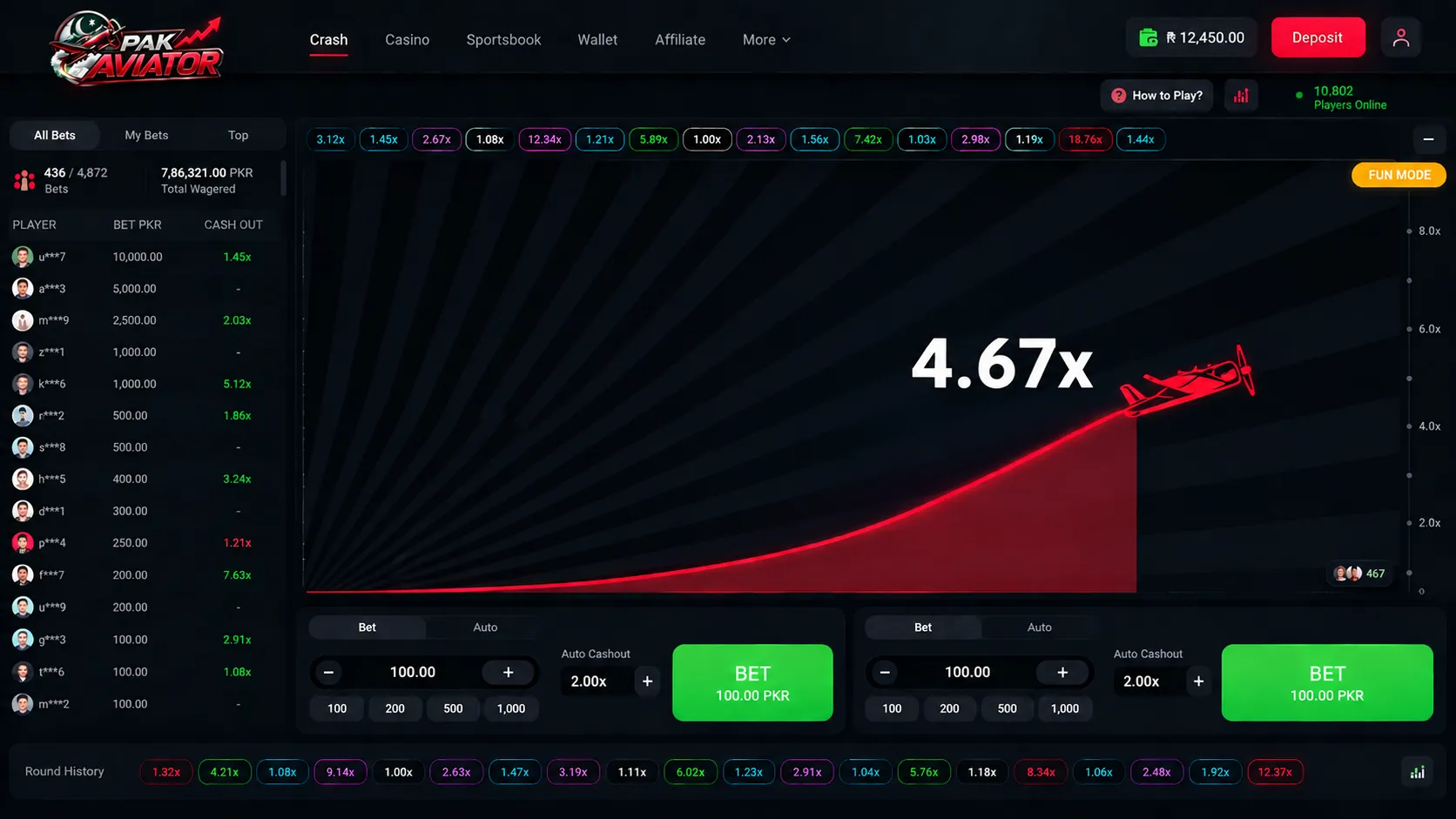
Owning the Game, Not Renting It: Custom Crash Game Development for a Lahore-Based iGaming Operator
READ CASE STUDYTechnologies & Frameworks Powering This Service





Hire Specialized Developers For Your Service Project

React Developers
Pre-vetted senior React Developers ready to deploy into your existing architecture in 3-7 days.

Flutter Developers
Pre-vetted senior Flutter Developers ready to deploy into your existing architecture in 3-7 days.

Nodejs Developers
Pre-vetted senior Nodejs Developers ready to deploy into your existing architecture in 3-7 days.

Python Developers
Pre-vetted senior Python Developers ready to deploy into your existing architecture in 3-7 days.
What Our Clients Say
“Mobile app development and cloud migration were handled smoothly. Strong technical skills, clear communication, and dependable post-launch support stood out throughout the engagement.”

Sarah Mitchell
Director of Operations, HealthFirst Clinics
Have a Project in Mind?
Let's Build It Together.
Connect directly with our senior software architects and technical leads. We evaluate your requirements and deliver an actionable technical proposal within 24 hours.
Strict NDA Protection
Your intellectual property and technical specs remain 100% confidential.
24-Hour Response Guarantee
Guaranteed evaluation and scoping reply from an engineering manager.
Zero Obligation Estimate
Get accurate cost breakdowns and tech stack recommendations free of charge.
Request Free Technical Consultation
Let's build something serious.
Diagnose your system architecture, budget ranges, and roadmap parameters with an expert.
Scoping Diagnostic
Analyze your workflows in 60 seconds. A senior AI architect reviews every parameter personally.
 4.9/5.0 Partner
 4.8/5.0 Leader
 4.9/5.0 Rated
 4.8/5.0 Excellent
Not sure where AI actually moves the needle for you?
Answer a few brief questions. We will deliver a highly concrete scoping plan within 24 hours including:
- Recommendations on automation use-cases and MVP components
- Calculations on expected ROI and engineering timelines
- A structural roadmap to make your legacy stack AI-native