
Next.js App Router Caching & Streaming: The 4-Tier Architecture, PPR, and Multi-Tenant Isolation

Technology Specialists
 17 min read
Engineering guide to Next.js App Router caching layers. Request Memoization, Data Cache, Full Route Cache, Router Cache, and React Suspense streaming.
Deconstructing the Next.js App Router Caching Maze
The transition from the legacy Next.js Pages Router to the App Router introduced a revolutionary paradigm: React Server Components (RSC) streaming, fine-grained partial prerendering (PPR), and a multi-tiered caching architecture. However, this powerful model is also one of the most misunderstood systems in modern web development. Engineering teams frequently suffer from stale data bugs, unexpected cloud bandwidth bills, or inadvertent cross-tenant data caching.
To operate Next.js in mission-critical enterprise environments, developers must understand the precise lifecycle of the 4 distinct caching mechanisms, how edge load balancers interact with dynamic route segments, and how to enforce multi-tenant isolation ("tent") so that one customer's private data is never cached into another user's server response.
At Betadrix, our web development company builds enterprise Next.js applications. In this comprehensive technical guide, we break down the 4-tier cache model, configure React Suspense streaming, implement deterministic tag revalidation (revalidateTag), and review production failure modes. For full stack foundations, explore our guide on Node.js development and our custom software development services.
The 4-Tier Next.js Caching Architecture
| Cache Tier | Where It Lives | Purpose | Duration & Invalidation |
|---|---|---|---|
| 1. Request Memoization | Server (In-memory per render pass) | Deduplicates identical fetch() calls across the component tree |
Lifetime of a single HTTP server render pass |
| 2. Data Cache | Server (Persistent across requests) | Stores API fetch results across incoming user requests and server deploys | Persistent until revalidateTag() or time-based revalidation |
| 3. Full Route Cache | Server (Static HTML & RSC Payloads) | Caches rendered HTML and RSC JSON payloads for static routes | Persistent across deployments until next build or Data Cache invalidation |
| 4. Router Cache | Client (Browser in-memory session) | Stores RSC payloads in the browser for instant client-side transitions | Session-based: 30s for dynamic routes, 5 min for static routes |
Multi-Tenant Data Isolation ("Tent") in Next.js Middleware
When hosting multiple enterprise tenants on a shared Next.js application, developers must prevent the server-side Data Cache from leaking tenant records. We enforce isolation via three core rules:
- Middleware Context Injection: Edge middleware inspects subdomains or headers (e.g.,
acme.app.com), injecting validatedx-tenant-idheaders into downstream requests. - Tenant-Scoped Cache Tags: Every cached fetch call must include a tenant-specific cache tag:
fetch(url, { next: { tags: [`tenant:${tenantId}`, `tenant:${tenantId}:products`] } }). Invalidation viarevalidateTag(`tenant:${tenantId}:products`)purges only that tenant's cache without impacting others. - Dynamic Route Opt-Out: Any page displaying tenant-specific Protected Health Information (PHI) or financial balances must use
export const dynamic = 'force-dynamic'or readheaders()to bypass the Full Route Cache entirely.
Production Implementation: Streaming Server Components with Suspense
// app/dashboard/page.tsx
import { Suspense } from "react";
import { headers } from "next/headers";
import { db } from "@/lib/db";
// Async Server Component: Streams slow metrics without blocking the shell
async function RevenueMetrics({ tenantId }: { tenantId: string }) {
// Heavy analytics query with tenant RLS isolation
const metrics = await db.revenueReport.findFirst({
where: { tenantId },
});
return (
Monthly Recurring Revenue
${metrics?.mrr.toLocaleString()}
);
}
export default async function DashboardPage() {
const headersList = await headers();
const tenantId = headersList.get("x-tenant-id")!;
return (
Enterprise Overview
Real-time tenant analytics
{/* Immediate instant shell render; streams dynamic component */}
Real-World Production Failure Modes
- Cross-Tenant Data Leak via Static Route Optimization: A developer builds a user profile page without calling
headers()orcookies(). Next.js marks the page as static duringnext build, caching the first visitor's profile HTML and serving it to every subsequent visitor. Mitigation: Configure ESLint rules forbidding static rendering of authenticated route groups. - Cache Invalidation Storms: Calling
revalidatePath('/', 'layout')purges the entire Full Route Cache across millions of pages simultaneously, triggering a massive database thundering herd. Mitigation: Use granular, tag-based cache revalidation (revalidateTag). - Client Router Cache Stale Form State: After a user submits a mutation, navigating back renders stale data from the client Router Cache. Mitigation: Call
router.refresh()in the mutation transition to flush the client-side RSC cache.
Related Services from Betadrix
Next.js App Router's segment-level caching and React Server Component streaming fundamentally change how you architect data fetching and rendering. Betadrix's web development services include Next.js application builds optimised for Core Web Vitals, with proper cache invalidation strategies and streaming layouts. For teams building content-heavy sites, our CMS development services integrate headless CMSs like Sanity and Contentful with Next.js for fully managed content workflows.
Related Services
Series Guide
Modern Web Architecture
Explore Categories
Browse More Technical Topics & Industry Guides
?Frequently Asked Questions
What is the difference between the Data Cache and Full Route Cache in Next.js?
How do you prevent cross-tenant data caching in a multi-tenant Next.js app?
What is Partial Prerendering (PPR) in Next.js?
How does revalidateTag work in Next.js?
Why does calling headers() make a Next.js route dynamic?
How does React Suspense streaming improve Core Web Vitals?
Betadrix Engineering Team
Technology SpecialistsThe Betadrix Engineering Team consists of dedicated full-stack developers, mobile app specialists, and product designers focused on delivering premium enterprise solutions.
Build Your Custom Project
Connect with technical architects for scope and estimation.
More Articles in Technology





Related services built to solve your specific challenges


Watch.
Learn.
Grow.
Discover how our engineered solutions transform industries and propel client operations forward.


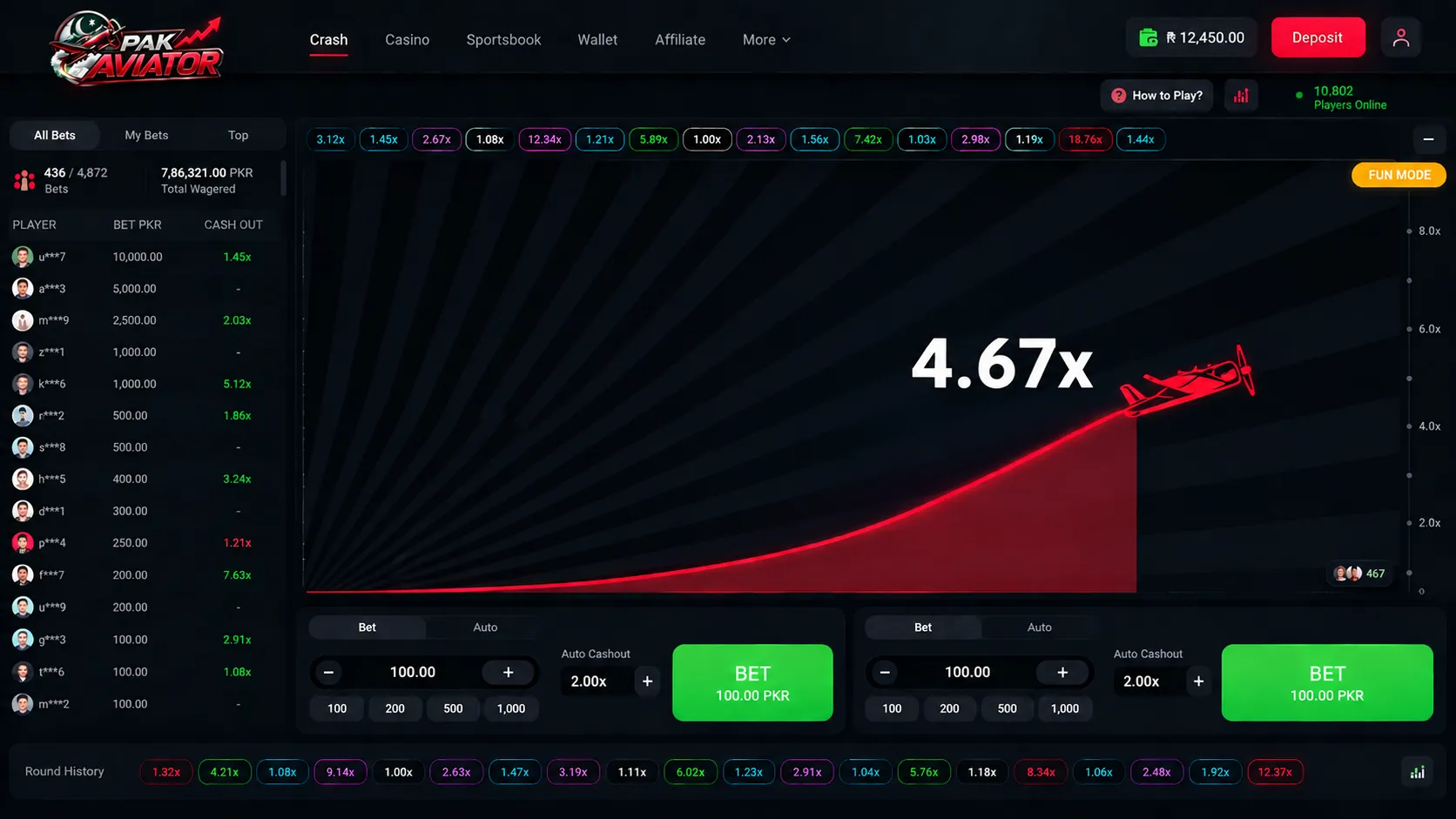
Owning the Game, Not Renting It: Custom Crash Game Development for a Lahore-Based iGaming Operator
READ CASE STUDYTechnologies & Frameworks Powering This Service




Node.js Development Services | High-Concurrency Event-Driven Architecture | Betadrix
backend

.NET Development Services | Enterprise C# & ASP.NET Core Engineering | Betadrix
backend
Hire Specialized Developers For Your Service Project

React Developers
Pre-vetted senior React Developers ready to deploy into your existing architecture in 3-7 days.

Nodejs Developers
Pre-vetted senior Nodejs Developers ready to deploy into your existing architecture in 3-7 days.

Flutter Developers
Pre-vetted senior Flutter Developers ready to deploy into your existing architecture in 3-7 days.

Python Developers
Pre-vetted senior Python Developers ready to deploy into your existing architecture in 3-7 days.
What Our Clients Say
“Mobile app development and cloud migration were handled smoothly. Strong technical skills, clear communication, and dependable post-launch support stood out throughout the engagement.”

Sarah Mitchell
Director of Operations, HealthFirst Clinics
Have a Project in Mind?
Let's Build It Together.
Connect directly with our senior software architects and technical leads. We evaluate your requirements and deliver an actionable technical proposal within 24 hours.
Strict NDA Protection
Your intellectual property and technical specs remain 100% confidential.
24-Hour Response Guarantee
Guaranteed evaluation and scoping reply from an engineering manager.
Zero Obligation Estimate
Get accurate cost breakdowns and tech stack recommendations free of charge.
Request Free Technical Consultation
Let's build something serious.
Diagnose your system architecture, budget ranges, and roadmap parameters with an expert.
Scoping Diagnostic
Analyze your workflows in 60 seconds. A senior AI architect reviews every parameter personally.
 4.9/5.0 Partner
 4.8/5.0 Leader
 4.9/5.0 Rated
 4.8/5.0 Excellent
Not sure where AI actually moves the needle for you?
Answer a few brief questions. We will deliver a highly concrete scoping plan within 24 hours including:
- Recommendations on automation use-cases and MVP components
- Calculations on expected ROI and engineering timelines
- A structural roadmap to make your legacy stack AI-native