
Building a Custom Shopify Dropshipping App: Multi-Tenant Architecture, BullMQ Queues, and B2B API Gateways

Technology Specialists
 15 min read
Engineering guide to custom Shopify dropshipping apps. Shopify App Bridge 3.0, GraphQL Admin API rate limiting, and automated supplier inventory sync.
The Architectural Limits of Public Dropshipping Apps
For high-volume ecommerce operators doing $1M+ in annual dropshipping GMV, off-the-shelf public dropshipping apps (like DSers or Spocket) quickly become operational bottlenecks. Generic apps charge steep per-order transaction fees, suffer severe inventory sync delays of 2–6 hours (leading to out-of-stock orders and customer chargebacks), and offer zero support for private supplier ERP integration via custom EDI or REST APIs.
Building a Custom Shopify Dropshipping Application allows enterprise merchants to own their supplier relationships, automate order routing across multiple warehouse suppliers, synchronize inventory in real time, and scale without per-order SaaS taxes.
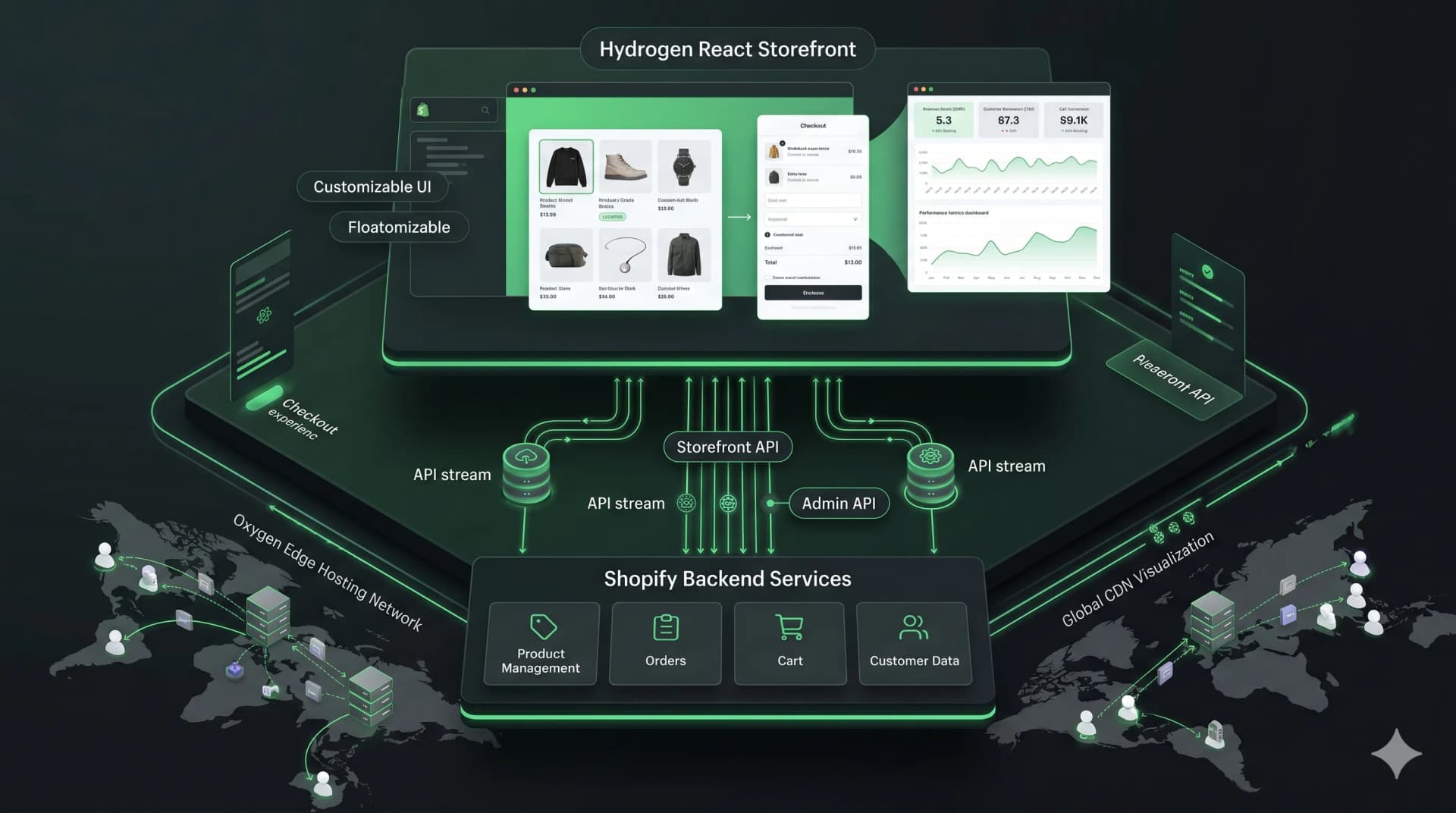
At Betadrix, our ecommerce development team engineers custom enterprise Shopify applications. In this guide, we dissect the architecture of a private, multi-tenant dropshipping platform, detailing Shopify App Bridge UI, BullMQ distributed task queues, B2B API Gateway rate limiting against Shopify's 40 req/s leaky bucket, and supplier webhook synchronization. For ecommerce infrastructure, explore our custom software development services and learn how we architect edge commerce in our guide on headless Shopify with Hydrogen & Oxygen.
Enterprise System Topology: Shopify Bridge, BullMQ, and Supplier Gateways
Below is the production topology for a high-volume custom dropshipping platform synchronizing inventory and orders across global suppliers:
+-------------------------------------------------------------------------------+
|                    CUSTOM SHOPIFY DROPSHIPPING APP TOPOLOGY                   |
+-------------------------------------------------------------------------------+
[Shopify Merchant Admin] (App Bridge 3.0 / Polaris Embedded UI)
       |
       | HTTPS POST /orders/create Webhook (HMAC-SHA256 Signed)
       v
+-------------------------------------------------------------------------------+
| [B2B API Gateway] (Kong Gateway)                                              |
|  - Shopify Webhook HMAC Signature Verification (Rejects Fraudulent Payloads)  |
|  - Multi-Tenant Merchant Tenant Routing (x-shop-domain)                       |
|  - Rate Limiter: Enforces Shopify 40 req/s Leaky Bucket per Store Token       |
+-------------------------------------------------------------------------------+
       |
       v
+-------------------------------------------------------------------------------+
| [Distributed Order Queue] (BullMQ on Redis 7.2 Cluster)                       |
|  - Priority Queue: Order Ingestion -> Supplier Routing -> Fulfillment Tracking|
|  - Automatic Retry with Exponential Backoff (3 attempts on supplier timeout)  |
+-------------------------------------------------------------------------------+
       |
       +-----------------------+-----------------------+
       |                       |                       |
       v                       v                       v
+--------------------+  +--------------------+  +--------------------+
| [Worker 1: China]  |  | [Worker 2: US/EU]  |  | [Worker 3: ERP]    |
| - CJ / AliExpress  |  | - US Warehouse 3PL |  | - NetSuite / SAP   |
| - Custom REST API  |  | - EDI 850 Order Gen|  | - Webhook Dispatch |
+--------------------+  +--------------------+  +--------------------+
       |                       |                       |
       +-----------------------+-----------------------+
                               |
                               v
+-------------------------------------------------------------------------------+
| [Multi-Tenant PostgreSQL Database]                                            |
|  - Row-Level Security Scoped to Merchant Store Domain                         |
|  - Encrypted Supplier API Keys & Custom Margin Pricing Rules                 |
+-------------------------------------------------------------------------------+
Multi-Tenant Architecture ("Tent") for Dropshipping SaaS
- Offline Access Token Encryption: Shopify OAuth offline access tokens are encrypted with AES-256 and stored in PostgreSQL tagged with the merchant's
shop_domain. - Supplier Isolation & Margin Rules: Each merchant configures custom supplier margin rules (e.g. Supplier Cost + 45% + $2 handling fee), automatically recalculating retail prices upon inventory sync.
- Leaky Bucket Rate Limiting: Shopify's REST and GraphQL APIs enforce strict rate limits (40 requests per second bucket with a 2 req/s leak rate for standard stores, higher for Plus). The API gateway queues outbound mutations to prevent HTTP 429 throttling.
Production Implementation: HMAC Webhook Verification & BullMQ Order Ingestion
import crypto from "crypto";
import { Request, Response } from "express";
import { Queue } from "bullmq";
import Redis from "ioredis";

const redisConnection = new Redis(process.env.REDIS_URL!);
export const orderQueue = new Queue("dropshipping-orders", { connection: redisConnection });

export async function handleShopifyOrderWebhook(req: Request, res: Response) {
  const hmacHeader = req.headers["x-shopify-hmac-sha256"] as string;
  const shopDomain = req.headers["x-shopify-shop-domain"] as string;

  // 1. Verify HMAC Signature
  const rawBody = (req as any).rawBody;
  const generatedHmac = crypto
    .createHmac("sha256", process.env.SHOPIFY_API_SECRET!)
    .update(rawBody, "utf8")
    .digest("base64");

  if (!crypto.timingSafeEqual(Buffer.from(generatedHmac), Buffer.from(hmacHeader))) {
    return res.status(401).send("Unauthorized: HMAC validation failed");
  }

  // 2. Enqueue order into distributed BullMQ for asynchronous processing
  const order = req.body;
  await orderQueue.add(
    "process-order",
    {
      orderId: order.id,
      shopDomain,
      lineItems: order.line_items,
      shippingAddress: order.shipping_address,
      createdAt: order.created_at,
    },
    {
      attempts: 3,
      backoff: { type: "exponential", delay: 5000 },
      removeOnComplete: true,
    }
  );

  // 3. Immediately return 200 OK to Shopify to avoid webhook retries
  return res.status(200).send("Webhook received");
}
Real-World Production Failure Modes
- Supplier Out-of-Stock Race Conditions: A customer purchases an item on Shopify while the supplier's warehouse sells out simultaneously. Mitigation: Configure 15-minute polling intervals on high-velocity items and maintain a safety stock buffer (reporting 0 stock to Shopify when supplier hits <5 units).
- Shopify Webhook Timeout De-registration: If a webhook handler takes longer than 5 seconds to process, Shopify drops the connection and eventually disables the webhook subscription after multiple timeouts. Mitigation: Enqueue the payload into Redis/BullMQ and return HTTP 200 OK within 50 milliseconds.
- Tracking Number Formatting Inconsistencies: Suppliers return raw tracking numbers without carrier codes (e.g., USPS vs. YunExpress), preventing Shopify from sending automated tracking links. Mitigation: Deploy an automated regex carrier classification engine before dispatching fulfillment mutations.
Related Services from Betadrix
A custom dropshipping app on Shopify needs supplier API sync, automated order routing, margin-aware pricing rules, and real-time inventory feeds — none of which are available out of the box. Betadrix's custom Shopify development services cover bespoke Shopify app builds using the App Bridge and Admin API, with embedded checkout extensions and webhook-driven fulfilment flows. For stores that need multi-supplier catalogue management at scale, our ecommerce development services extend this to full platform architecture design.
Related Services
Series Guide
Enterprise E-Commerce
Explore Categories
Browse More Technical Topics & Industry Guides
?Frequently Asked Questions
Why build a custom Shopify dropshipping app instead of using DSers or Spocket?
How do you handle Shopify API rate limits during high-volume sales?
How is webhook security verified in Shopify applications?
Can a custom dropshipping app split orders across multiple suppliers?
What tech stack is recommended for custom Shopify app development?
How long does it take to build a custom dropshipping app?
Betadrix Engineering Team
Technology SpecialistsThe Betadrix Engineering Team consists of dedicated full-stack developers, mobile app specialists, and product designers focused on delivering premium enterprise solutions.
Build Your Custom Project
Connect with technical architects for scope and estimation.
More Articles in Technology





Related services built to solve your specific challenges



Watch.
Learn.
Grow.
Discover how our engineered solutions transform industries and propel client operations forward.
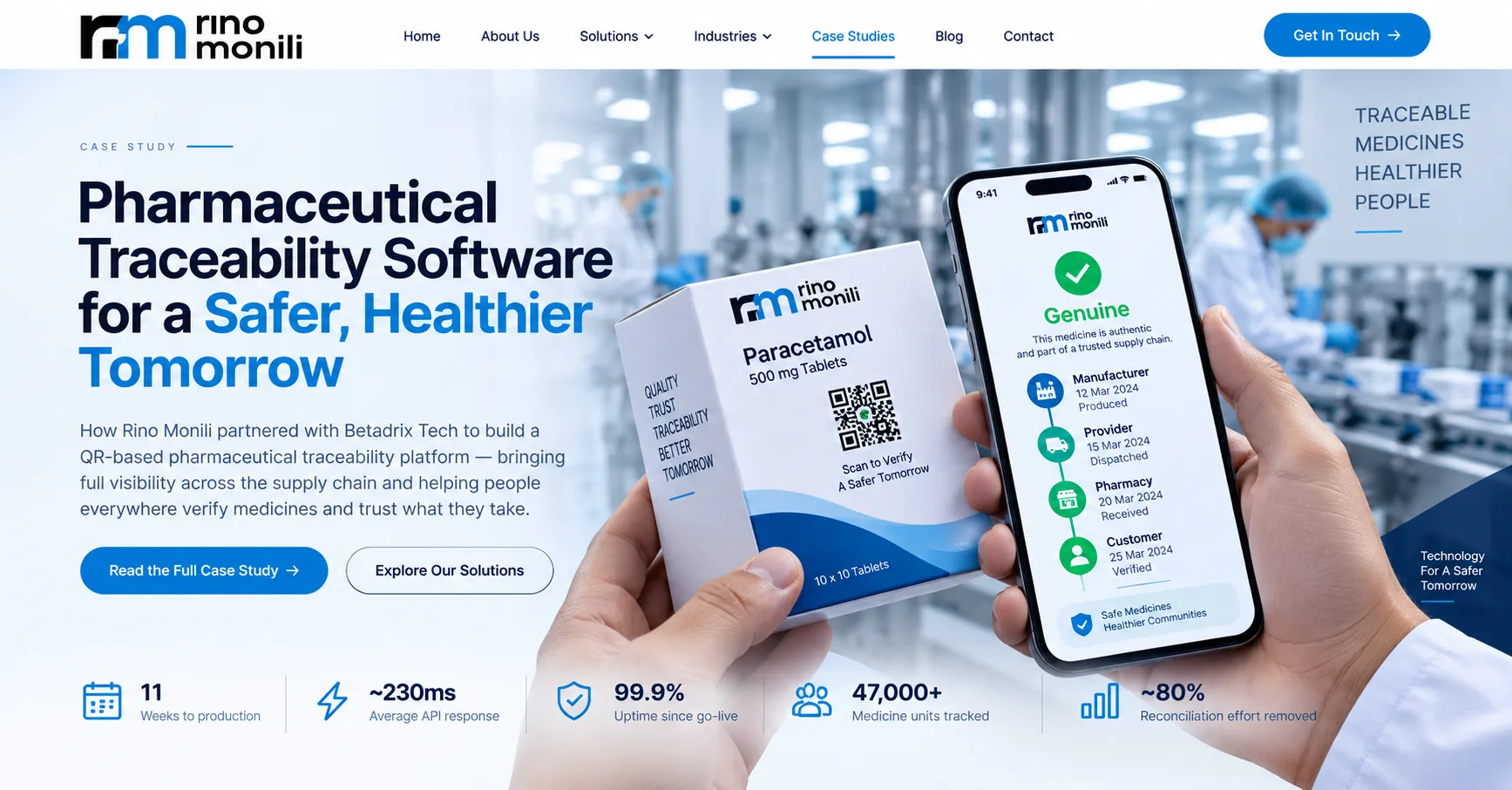
Pharmaceutical Traceability Software Built for Real-World Supply Chains
READ CASE STUDY

Technologies & Frameworks Powering This Service




WebRTC Development: SFU Architecture, Latency Optimization & Production Engineering Guide
architecture
Hire Specialized Developers For Your Service Project

React Developers
Pre-vetted senior React Developers ready to deploy into your existing architecture in 3-7 days.

Nodejs Developers
Pre-vetted senior Nodejs Developers ready to deploy into your existing architecture in 3-7 days.

Python Developers
Pre-vetted senior Python Developers ready to deploy into your existing architecture in 3-7 days.

Flutter Developers
Pre-vetted senior Flutter Developers ready to deploy into your existing architecture in 3-7 days.
What Our Clients Say
“Mobile app development and cloud migration were handled smoothly. Strong technical skills, clear communication, and dependable post-launch support stood out throughout the engagement.”

Sarah Mitchell
Director of Operations, HealthFirst Clinics
Have a Project in Mind?
Let's Build It Together.
Connect directly with our senior software architects and technical leads. We evaluate your requirements and deliver an actionable technical proposal within 24 hours.
Strict NDA Protection
Your intellectual property and technical specs remain 100% confidential.
24-Hour Response Guarantee
Guaranteed evaluation and scoping reply from an engineering manager.
Zero Obligation Estimate
Get accurate cost breakdowns and tech stack recommendations free of charge.
Request Free Technical Consultation
Let's build something serious.
Diagnose your system architecture, budget ranges, and roadmap parameters with an expert.
Scoping Diagnostic
Analyze your workflows in 60 seconds. A senior AI architect reviews every parameter personally.
 4.9/5.0 Partner
 4.8/5.0 Leader
 4.9/5.0 Rated
 4.8/5.0 Excellent
Not sure where AI actually moves the needle for you?
Answer a few brief questions. We will deliver a highly concrete scoping plan within 24 hours including:
- Recommendations on automation use-cases and MVP components
- Calculations on expected ROI and engineering timelines
- A structural roadmap to make your legacy stack AI-native