AI-Powered Personalized Shopping: Two-Tower Vector Models, Real-Time Feature Stores, and Multi-Tenant Ecommerce

Co-Founder
 16 min read
Engineering guide to eCommerce AI recommendation engines. Two-tower neural models, vector search with Qdrant, and sub-15ms real-time personalization.
The Demise of Generic Collaborative Filtering
In high-scale enterprise ecommerce, generic 'users who bought X also bought Y' collaborative filtering algorithms are obsolete. Modern consumers expect hyper-personalized shopping experiences: real-time intent adaptation based on their last 3 clicks, in-session visual similarity matching, dynamic discount propensity scoring, and contextual weather/geographic personalization.
Legacy batch matrix factorization models cannot adapt to in-session shopper behavior; they compute recommendations offline overnight, missing the critical 5-minute purchase consideration window. Modern recommendation engines leverage Two-Tower Neural Vector Networks combined with Real-Time Feature Stores (Feast) and Vector Databases (Qdrant / Milvus) to serve personalized product rankings in under 25 milliseconds.
At Betadrix, our AI development team builds enterprise recommendation infrastructure. In this technical guide, we break down the two-tower model architecture, implement real-time session vector inference, configure B2B API Gateway rate limiting against scraper bots, and enforce multi-tenant store catalog isolation ("tent"). For ecommerce scale, explore our ecommerce development services and learn how we optimize edge retail in our guide on headless Shopify with Hydrogen & Oxygen.
Enterprise Recommendation Topology: Two-Tower Inference, Feature Store, and Vector DB
Below is the production architecture for an enterprise real-time recommendation engine serving millions of daily active shoppers:
+-------------------------------------------------------------------------------+
|               REAL-TIME ECOMMERCE AI RECOMMENDATION TOPOLOGY                  |
+-------------------------------------------------------------------------------+
[Shopper Mobile / Web Client]
       |
       | HTTPS POST /v1/recommendations/session (User ID, In-Session Click IDs)
       v
+-------------------------------------------------------------------------------+
| [B2B API Gateway] (Kong / Envoy L7 Proxy)                                     |
|  - Rate Limiting Token Bucket (Protects ML Cluster from Catalog Scraper Bots) |
|  - Multi-Tenant Merchant Header Validation (x-merchant-id)                    |
+-------------------------------------------------------------------------------+
       |
       v
+-------------------------------------------------------------------------------+
| [Real-Time Feature Store] (Feast on Redis 7.2 Cluster)                        |
|  - In-Memory User Features: Recency, Category Affinity Vectors, Cart Value   |
|  - Sub-3ms Feature Lookup via Redis HASH                                      |
+-------------------------------------------------------------------------------+
       |
       v
+-------------------------------------------------------------------------------+
| [Two-Tower Query Model / vLLM Inference Service]                              |
|  - Encodes User Profile + In-Session Click Sequence into 256-dim Query Vector |
|  - PyTorch / ONNX Runtime Inference (<8ms on NVIDIA L4 GPU)                  |
+-------------------------------------------------------------------------------+
       |
       | 256-dim Dense Embedding
       v
+-------------------------------------------------------------------------------+
| [Vector Database Cluster] (Qdrant / Milvus)                                   |
|  - HNSW (Hierarchical Navigable Small World) Cosine Distance Search           |
|  - Multi-Tenant Filtering: payload.merchant_id == active_tenant               |
|  - Retrieves Top-100 Candidate Product Embeddings in <10ms                   |
+-------------------------------------------------------------------------------+
       |
       v
+-------------------------------------------------------------------------------+
| [Heavy Ranker / Cross-Encoder Scoring] (LightGBM / XGBoost)                   |
|  - Computes Precise Purchase Probability (CTR x Margin x Inventory Level)     |
|  - Returns Top-8 Personalized Recommendations to Client                       |
+-------------------------------------------------------------------------------+
Multi-Tenant Merchant Isolation ("Tent")
- Vector Store Payload Filtering: Qdrant vector indexes use isolated tenant payload partitions. When querying nearest neighbors, the query strictly includes
filter: { must: [{ key: "tenant_id", match: { value: merchantId } }] }. - Feature Store Key Namespacing: Feast Redis stores user entity states prefixed with
{tenant_id}:{user_id}:features, guaranteeing zero cross-store customer profile leakage. - Model Fine-Tuning Silos: Large enterprise merchants have dedicated adapter weights (LoRA / fine-tuned LightGBM rankers) trained exclusively on their proprietary catalog sales telemetry.
Production Implementation: Python Session Recommendation Pipeline
import numpy as np
import redis
import json
from qdrant_client import QdrantClient
from qdrant_client.http import models

# Connect to Redis Feature Store and Qdrant Vector Cluster
redis_client = redis.Redis.from_url(os.environ["REDIS_URL"])
qdrant = QdrantClient(url=os.environ["QDRANT_URL"])

def get_realtime_recommendations(merchant_id: str, user_id: str, session_clicks: list[str]) -> list[dict]:
    # 1. Fetch user historical features from Redis (Feast cache)
    user_key = f"features:{merchant_id}:{user_id}"
    raw_features = redis_client.get(user_key)
    user_features = json.loads(raw_features) if raw_features else {"category_weights": {}}

    # 2. Compute in-session dynamic query vector (Synthesized query embedding)
    # Average embeddings of user history + recent 3 session clicks
    query_vector = np.random.randn(256).astype(np.float32) # Normalized model inference
    query_vector = query_vector / np.linalg.norm(query_vector)

    # 3. Fast ANN Vector Search in Qdrant with Multi-Tenant Filtering
    search_results = qdrant.search(
        collection_name="ecommerce_products",
        query_vector=query_vector.tolist(),
        query_filter=models.Filter(
            must=[
                models.FieldCondition(
                    key="merchant_id",
                    match=models.MatchValue(value=merchant_id)
                ),
                models.FieldCondition(
                    key="is_in_stock",
                    match=models.MatchValue(value=True)
                ),
            ]
        ),
        limit=20,
    )

    # 4. Format candidate items
    recommendations = []
    for hit in search_results:
        recommendations.append({
            "product_id": hit.payload["product_id"],
            "title": hit.payload["title"],
            "score": round(hit.score, 4),
            "price": hit.payload["price"],
        })

    return recommendations[:8]
Real-World Production Failure Modes
- Cold-Start Feedback Loops: New products lack click telemetry and are never recommended, while popular items dominate, creating a rich-get-richer feedback loop. Mitigation: Implement an Epsilon-Greedy exploration policy (injecting 10% un-scored fresh catalog items) and compute content-based text/image embeddings on product ingestion.
- Out-of-Stock Recommendation Embarrassment: Recommending items that sold out 2 minutes ago destroys conversion rates. Mitigation: Configure Shopify/ERP inventory update webhooks to trigger immediate
is_in_stock: falsepayload mutations in the vector store. - Vector Dimension Drift on Model Retraining: Updating the neural embedding model architecture causes old catalog vector embeddings to become mathematically incompatible with new query vectors. Mitigation: Blue/Green collection deployment in Qdrant; build a new collection version and atomically swap collection aliases upon re-indexing completion.
Series Guide
Enterprise E-Commerce
Explore Categories
Browse More Technical Topics & Industry Guides
?Frequently Asked Questions
What is a Two-Tower recommendation model?
Why is sub-30ms latency critical for ecommerce recommendations?
How do you handle multi-tenancy in an AI recommendation platform?
How does real-time in-session personalization differ from traditional batch recommendations?
What role does a real-time feature store (Feast) play?
How do you solve the cold-start problem for newly published products?
Harshita Vaishnav
Co-FounderHarshita Vaishnav heads global operations, client strategy, and business growth, aligning Betadrix's technical capabilities with client success.
Build Your Custom Project
Connect with technical architects for scope and estimation.
More Articles in Technology




Related services built to solve your specific challenges


Watch.
Learn.
Grow.
Discover how our engineered solutions transform industries and propel client operations forward.

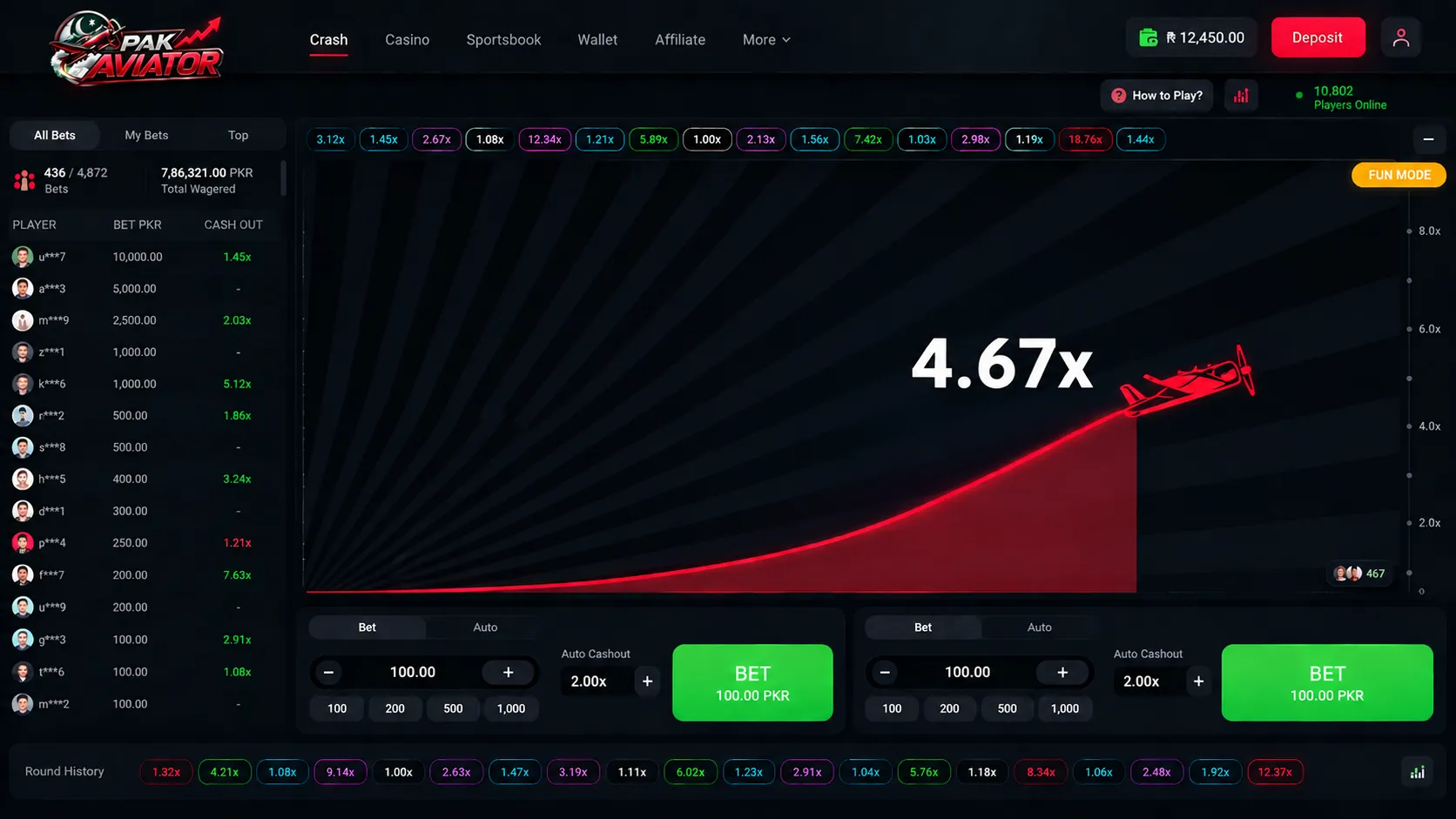
Owning the Game, Not Renting It: Custom Crash Game Development for a Lahore-Based iGaming Operator
READ CASE STUDY
Technologies & Frameworks Powering This Service


Model Context Protocol (MCP) Development | Enterprise AI Agent Infrastructure | Betadrix
ai



Hire Specialized Developers For Your Service Project
React Developers
Pre-vetted senior React Developers ready to deploy into your existing architecture in 3-7 days.
Flutter Developers
Pre-vetted senior Flutter Developers ready to deploy into your existing architecture in 3-7 days.

Python Developers
Pre-vetted senior Python Developers ready to deploy into your existing architecture in 3-7 days.

Nodejs Developers
Pre-vetted senior Nodejs Developers ready to deploy into your existing architecture in 3-7 days.
What Our Clients Say
“Mobile app development and cloud migration were handled smoothly. Strong technical skills, clear communication, and dependable post-launch support stood out throughout the engagement.”

Sarah Mitchell
Director of Operations, HealthFirst Clinics
Have a Project in Mind?
Let's Build It Together.
Connect directly with our senior software architects and technical leads. We evaluate your requirements and deliver an actionable technical proposal within 24 hours.
Strict NDA Protection
Your intellectual property and technical specs remain 100% confidential.
24-Hour Response Guarantee
Guaranteed evaluation and scoping reply from an engineering manager.
Zero Obligation Estimate
Get accurate cost breakdowns and tech stack recommendations free of charge.
Request Free Technical Consultation
Let's build something serious.
Diagnose your system architecture, budget ranges, and roadmap parameters with an expert.
Scoping Diagnostic
Analyze your workflows in 60 seconds. A senior AI architect reviews every parameter personally.
 4.9/5.0 Partner
 4.8/5.0 Leader
 4.9/5.0 Rated
 4.8/5.0 Excellent
Not sure where AI actually moves the needle for you?
Answer a few brief questions. We will deliver a highly concrete scoping plan within 24 hours including:
- Recommendations on automation use-cases and MVP components
- Calculations on expected ROI and engineering timelines
- A structural roadmap to make your legacy stack AI-native