
Integrating Biometrics (Face ID/Touch ID) in Mobile Apps

Lead Cloud Solutions Architect
 5 min read
Learn how to secure user sessions in Flutter and React Native using native biometric APIs like Face ID and fingerprint sensors.
What is Integrating Biometrics (Face ID/Touch ID) in Mobile Apps?
Developing and implementing modern technologies around Integrating Biometrics (Face ID/Touch ID) in Mobile Apps is quickly becoming a core differentiator for leading organizations. This guide outlines how to conceptualize, design, and implement systems related to Native iOS LocalAuthentication and Android BiometricPrompt binding and Handling device fallback options in production environments. Building software with Biometrics and Face ID requires strict adherence to security, scalability, and maintainability standards.
Key Architecture Concepts in Biometrics
- When establishing an architectural blueprint for this domain, developers and architects must prioritize three fundamental layers:
- 1. **Native iOS LocalAuthentication and Android BiometricPrompt binding**: Enforcing structured validation, caching protocols, and error management strategies.
- 2. **Handling device fallback options**: Configuring clean modular design patterns to keep business logic separate from delivery mechanisms.
- 3. **Securing user authentication tokens behind hardware key validation**: Implementing continuous optimization loops to monitor system health and scale operations seamlessly under peak loads.
Step-by-Step Implementation Guide & Workflows
- To build and deploy these solutions effectively, follow this recommended sequence:
- - **Phase 1: Setup & Registry Configuration**: Initialize and configure dependency structures.
- - **Phase 2: Core Engineering**: Write robust, well-typed modules and bind resource parameters.
- - **Phase 3: Integration & APIs**: Wire the system into your communication layers or middleware interfaces.
- - **Phase 4: Testing & Deployment**: Run full integration test suites and release resources using standard GitOps pipelines.
Challenges & Future Trends in Modern Systems
The main challenge in maintaining high-performance systems for Handling security exceptions and hardware changes involves balancing latency against computational overhead. As technology stacks evolve towards more dynamic, distributed architectures, integrating edge workers, decentralized modules, and serverless computing layers will become standard practices. Forward-looking teams should adopt flexible schemas now to make future upgrades painless.
Why is Biometrics critical for modern engineering teams?
Biometrics enables engineering teams to build modular, maintainable, and highly performant codebases. By isolating components and using structured interfaces, teams can scale features independently and minimize regression risks.
What are the primary challenges when integrating Face ID?
Integrating Face ID typically presents challenges around data synchronization, network latency, and environment configuration. These are best addressed through automated CI/CD pipelines, robust logging frameworks, and aggressive caching rules.
How does Betadrix help with custom implementations?
Betadrix provides end-to-end consulting, design, and engineering services. Our team of expert developers and architects specialize in building custom solutions tailored to your unique scaling requirements.
Series Guide
Mobile Engineering
Explore Categories
Browse More Technical Topics & Industry Guides
Shivam Sharma
Lead Cloud Solutions ArchitectShivam Sharma is an AWS Certified Solutions Architect specializing in cloud infrastructure, high-availability microservices, and database performance tuning for scalable web clients.
Build Your Custom Project
Connect with technical architects for scope and estimation.
More Articles in Technology




Related services built to solve your specific challenges


Watch.
Learn.
Grow.
Discover how our engineered solutions transform industries and propel client operations forward.
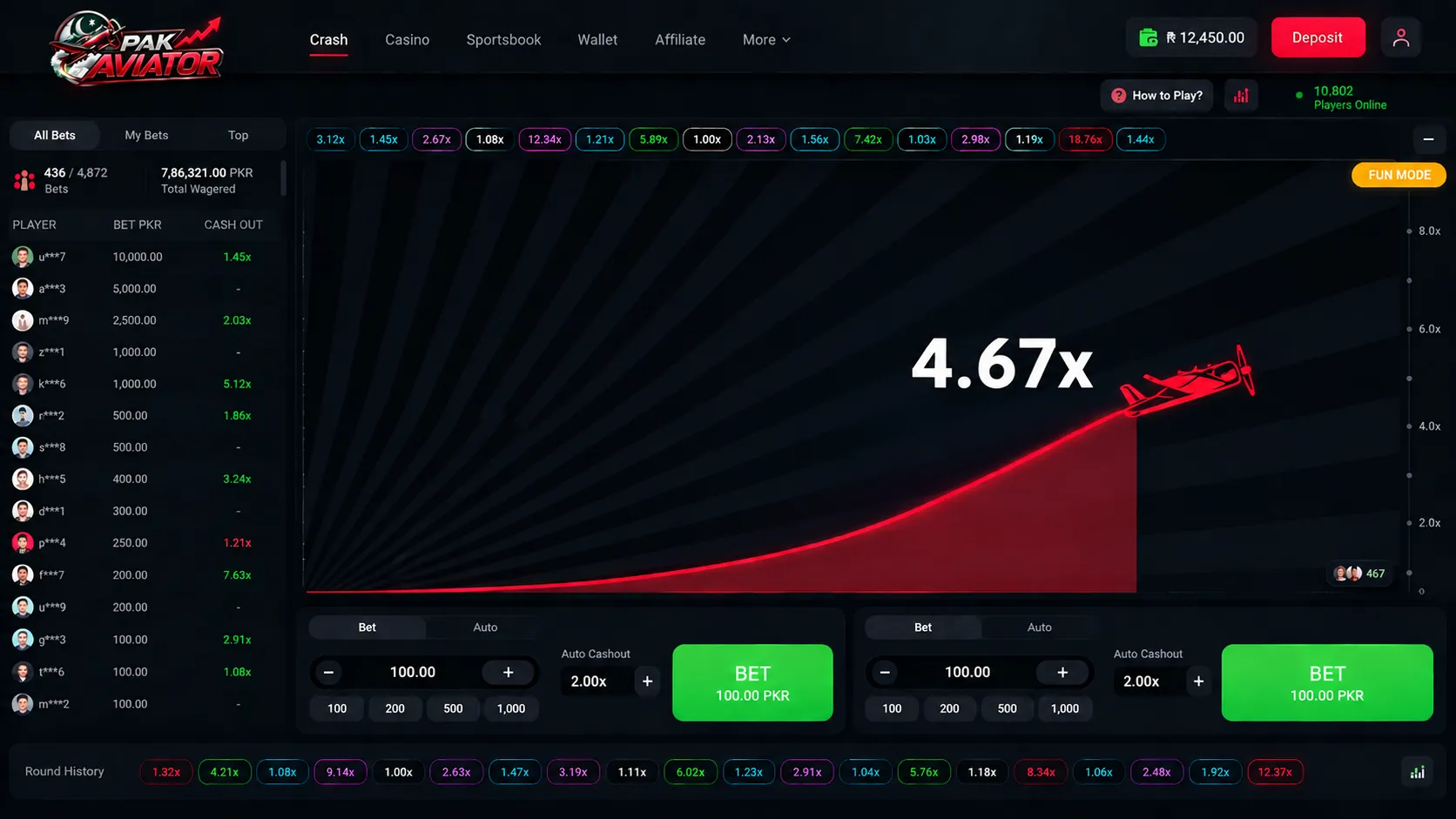
Owning the Game, Not Renting It: Custom Crash Game Development for a Lahore-Based iGaming Operator
READ CASE STUDY

Technologies & Frameworks Powering This Service





Hire Specialized Developers For Your Service Project

Nodejs Developers
Pre-vetted senior Nodejs Developers ready to deploy into your existing architecture in 3-7 days.
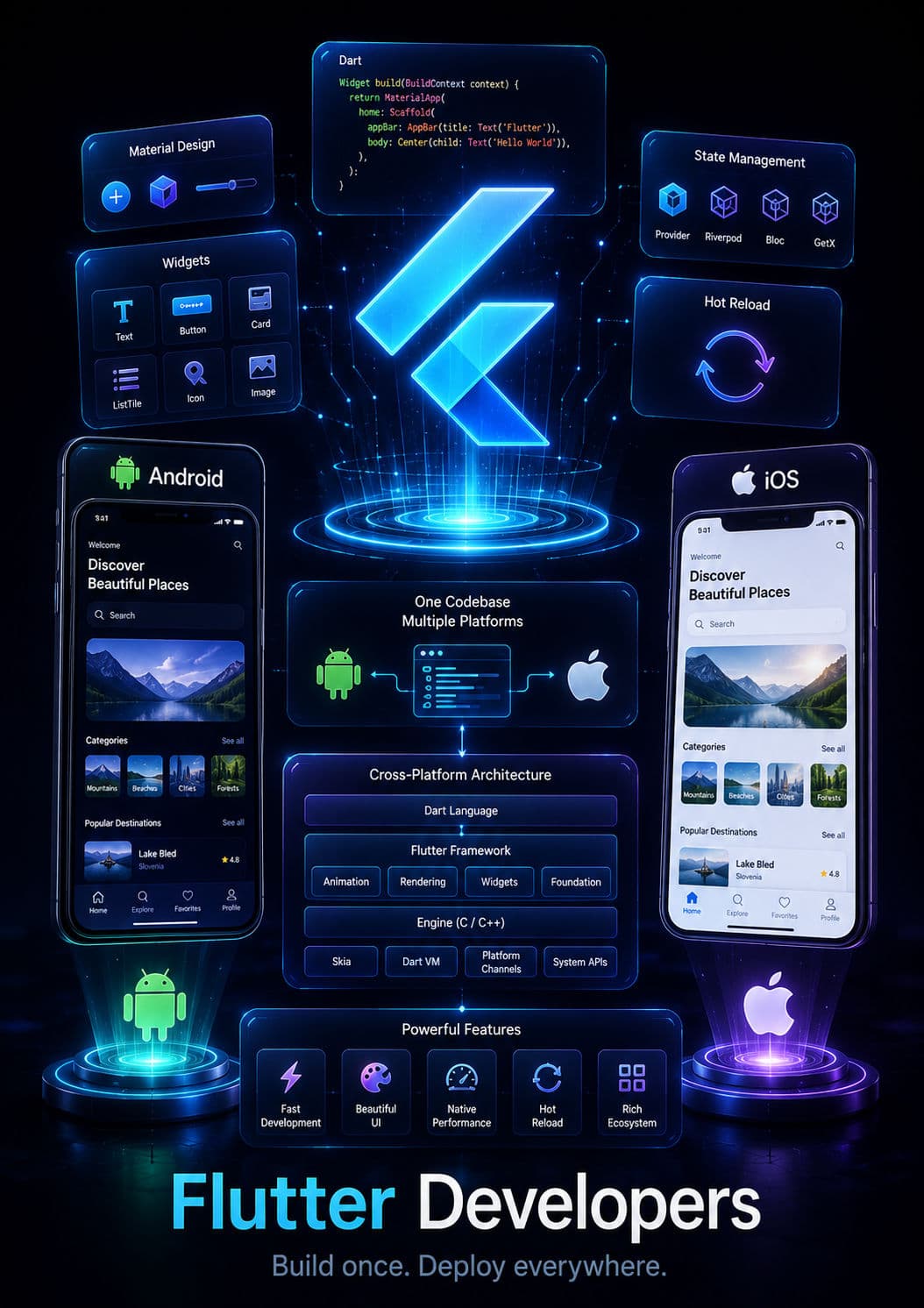
Flutter Developers
Pre-vetted senior Flutter Developers ready to deploy into your existing architecture in 3-7 days.
React Developers
Pre-vetted senior React Developers ready to deploy into your existing architecture in 3-7 days.

Python Developers
Pre-vetted senior Python Developers ready to deploy into your existing architecture in 3-7 days.
What Our Clients Say
“Mobile app development and cloud migration were handled smoothly. Strong technical skills, clear communication, and dependable post-launch support stood out throughout the engagement.”

Sarah Mitchell
Director of Operations, HealthFirst Clinics
Have a Project in Mind?
Let's Build It Together.
Connect directly with our senior software architects and technical leads. We evaluate your requirements and deliver an actionable technical proposal within 24 hours.
Strict NDA Protection
Your intellectual property and technical specs remain 100% confidential.
24-Hour Response Guarantee
Guaranteed evaluation and scoping reply from an engineering manager.
Zero Obligation Estimate
Get accurate cost breakdowns and tech stack recommendations free of charge.
Request Free Technical Consultation
Let's build something serious.
Diagnose your system architecture, budget ranges, and roadmap parameters with an expert.
Scoping Diagnostic
Analyze your workflows in 60 seconds. A senior AI architect reviews every parameter personally.
 4.9/5.0 Partner
 4.8/5.0 Leader
 4.9/5.0 Rated
 4.8/5.0 Excellent
Not sure where AI actually moves the needle for you?
Answer a few brief questions. We will deliver a highly concrete scoping plan within 24 hours including:
- Recommendations on automation use-cases and MVP components
- Calculations on expected ROI and engineering timelines
- A structural roadmap to make your legacy stack AI-native