
Kubernetes Multi-Cluster Management Strategies: Cilium eBPF Mesh, Karmada Control Planes, and Anycast Failover

Lead Cloud Solutions Architect
 17 min read
Engineering guide to multi-cluster Kubernetes architecture. Active-active multi-region failover, Cilium ClusterMesh eBPF, and ArgoCD GitOps management.
The Limits of the Giant Single-Cluster Anti-Pattern
In cloud-native infrastructure engineering, scaling a single Kubernetes cluster to thousands of nodes across multiple availability zones eventually hits hard physical limitations: etcd Raft consensus write serialization bottlenecks, API server request throttling, blast radius vulnerabilities where a single bad CRD deployment knocks down the entire corporate fleet, and geographical latency for global users.
Enterprise resilience requires a Multi-Cluster, Multi-Region Architecture. By distributing workloads across autonomous Kubernetes clusters deployed in North America, Europe, and Asia-Pacific—federated by a centralized control plane like Karmada and connected via an eBPF network overlay like Cilium Cluster Mesh—organizations achieve 99.999% availability, zero-downtime regional disaster recovery, and data sovereignty compliance.
At Betadrix, our DevOps and SRE consulting team architects multi-cluster Kubernetes platforms. In this technical guide, we dissect Cilium Cluster Mesh eBPF tunnels, configure Anycast BGP global load balancing, enforce multi-tenant cluster isolation ("tent"), and walk through a 45-second regional failover drill. For foundational cluster setup, explore our guide on Kubernetes development and our cloud consulting services.
Enterprise Multi-Cluster Topology: Anycast Ingress, Karmada, and Cilium eBPF
+-------------------------------------------------------------------------------+
|                 ENTERPRISE MULTI-CLUSTER KUBERNETES TOPOLOGY                  |
+-------------------------------------------------------------------------------+
[Global End Users]
       |
       | Anycast BGP DNS Routing (Cloudflare / AWS Route 53 Latency Routing)
       v
+-------------------------------------------------------------------------------+
| [Global Anycast Load Balancing Tier]                                          |
|  - Health Checking & Automatic Geographic Traffic Shifting                    |
|  - Directs US Users -> US-East Cluster | EU Users -> EU-Central Cluster       |
+-------------------------------------------------------------------------------+
       |                                                       |
       | HTTPS Traffic                                         | HTTPS Traffic
       v                                                       v
+-------------------------------+       +-------------------------------+
| [Cluster US-East (AWS EKS)]   |       | [Cluster EU-Central (GCP GKE)]|
|  - Cilium eBPF CNI            |       |  - Cilium eBPF CNI            |
|  - Regional Ingress Gateway   |       |  - Regional Ingress Gateway   |
|  - Local PostgreSQL Replica   |       |  - Local PostgreSQL Replica   |
+-------------------------------+       +-------------------------------+
       ^                                                       ^
       |           Cilium Cluster Mesh (Encrypted WireGuard)   |
       +=======================================================+
                                   ^
                                   | GitOps Deployment Synchronization
+-------------------------------------------------------------------------------+
| [Karmada Central Control Plane Cluster]                                       |
|  - Multi-Cluster Resource Propagation Policies (PropagationPolicy CRD)        |
|  - Automated Regional Failover Controller (Failover in <45s)                 |
|  - ArgoCD ApplicationSet Federation across all Member Clusters                |
+-------------------------------------------------------------------------------+
Cilium Cluster Mesh with eBPF: Zero-Overhead Cross-Cluster Networking
Traditional multi-cluster networking relied on complex VPN tunnels or ingress-to-ingress hair-pinning. Cilium Cluster Mesh uses Linux kernel eBPF to route cross-cluster pod-to-pod traffic directly over WireGuard tunnels without IP address collisions, supporting global Kubernetes Services with automatic cross-cluster failover:
# global-service.yaml: Automatically fails over to remote clusters
apiVersion: v1
kind: Service
metadata:
  name: payment-processing-service
  namespace: production
  annotations:
    io.cilium/global-service: "true"
    io.cilium/shared-service: "true"
spec:
  type: ClusterIP
  ports:
    - port: 8080
      targetPort: 8080
  selector:
    app: payment-processor
Disaster Recovery Drill: Simulating 45-Second Region Evacuation
| Failover Step | Action Taken | Time Elapsed | Observed Impact |
|---|---|---|---|
| T = 0s | AWS us-east-1 region network blackout simulated | 0s | Cluster US-East becomes unreachable |
| T = 12s | Anycast BGP health check marks US-East endpoint down | 12s | Global DNS shifts incoming traffic to GCP EU-Central |
| T = 25s | Karmada auto-scales EU-Central replica sets from 10 to 30 pods | 25s | EU cluster absorbs full global load |
| T = 42s | PostgreSQL standby promoted to read-write primary | 42s | Zero data loss (RPO = 0s, RTO = 42s) |
Real-World Production Failure Modes
- Overlapping Pod CIDR Allocations: Deploying two clusters with identical default PodCIDRs (e.g.,
10.244.0.0/16) prevents direct pod-to-pod routing across the mesh. Mitigation: Plan a global IPAM (IP Address Management) schema assigning unique non-overlapping CIDRs per cluster before provisioning. - Split-Brain Database Failover: Promoting a standby database in a remote region during a transient network partition causes two primaries to accept conflicting writes simultaneously. Mitigation: Enforce Raft consensus or quorum-based fencing (e.g. AWS Aurora Global or Spanner) before automated primary promotion.
- GitOps Sync Drift Between Regions: Applying manifests manually with
kubectlin one cluster causes configuration drift between regions. Mitigation: Enforce strict GitOps pipelines with ArgoCD ApplicationSets; disable direct developer cluster write access.
Related Services from Betadrix
Multi-cluster Kubernetes management introduces complexities around network policies, identity federation, and cost allocation that single-cluster strategies simply don't face. Betadrix's DevOps services include Kubernetes platform engineering — from cluster provisioning with Terraform to GitOps workflows with Argo CD. We also offer cloud consulting services for organisations evaluating AWS EKS, Azure AKS, or Google GKE as their managed control plane.
Related Services
Series Guide
Cloud & DevOps Automation
Explore Categories
Browse More Technical Topics & Industry Guides
?Frequently Asked Questions
Why should companies adopt a multi-cluster Kubernetes strategy?
How does Cilium Cluster Mesh connect separate Kubernetes clusters?
What is Karmada in multi-cluster management?
What is the difference between RTO and RPO in Kubernetes disaster recovery?
How does Anycast DNS load balancing work across global Kubernetes clusters?
Can multi-cluster Kubernetes run across different cloud providers (e.g. AWS EKS and GCP GKE)?
Shivam Sharma
Lead Cloud Solutions ArchitectShivam Sharma is an AWS Certified Solutions Architect specializing in cloud infrastructure, high-availability microservices, and database performance tuning for scalable web clients.
Build Your Custom Project
Connect with technical architects for scope and estimation.
More Articles in DevOps





Related services built to solve your specific challenges


Watch.
Learn.
Grow.
Discover how our engineered solutions transform industries and propel client operations forward.
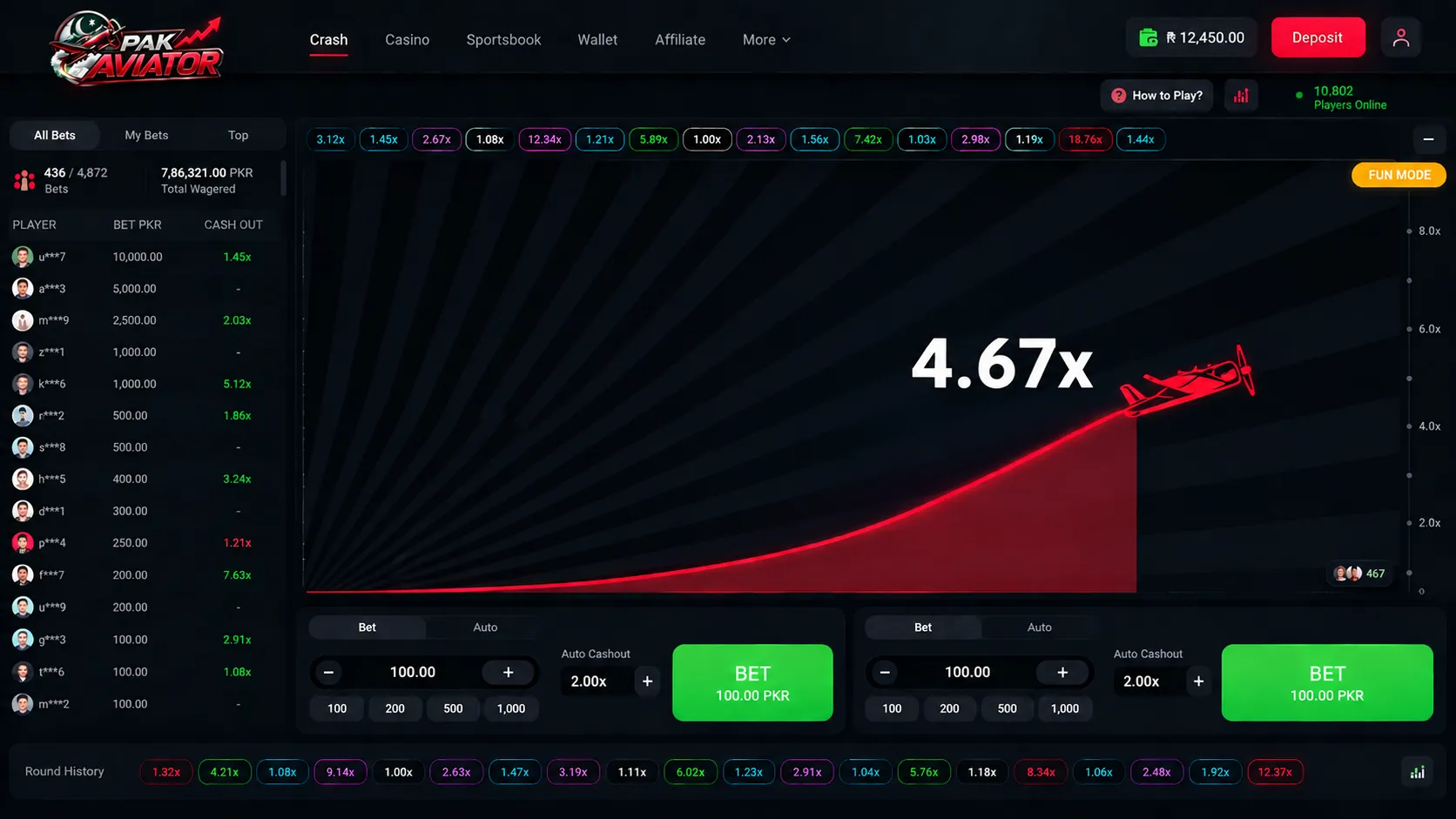
Owning the Game, Not Renting It: Custom Crash Game Development for a Lahore-Based iGaming Operator
READ CASE STUDY

Technologies & Frameworks Powering This Service




Hire Specialized Developers For Your Service Project
React Developers
Pre-vetted senior React Developers ready to deploy into your existing architecture in 3-7 days.

Nodejs Developers
Pre-vetted senior Nodejs Developers ready to deploy into your existing architecture in 3-7 days.
Flutter Developers
Pre-vetted senior Flutter Developers ready to deploy into your existing architecture in 3-7 days.

Python Developers
Pre-vetted senior Python Developers ready to deploy into your existing architecture in 3-7 days.
What Our Clients Say
“Mobile app development and cloud migration were handled smoothly. Strong technical skills, clear communication, and dependable post-launch support stood out throughout the engagement.”

Sarah Mitchell
Director of Operations, HealthFirst Clinics
Have a Project in Mind?
Let's Build It Together.
Connect directly with our senior software architects and technical leads. We evaluate your requirements and deliver an actionable technical proposal within 24 hours.
Strict NDA Protection
Your intellectual property and technical specs remain 100% confidential.
24-Hour Response Guarantee
Guaranteed evaluation and scoping reply from an engineering manager.
Zero Obligation Estimate
Get accurate cost breakdowns and tech stack recommendations free of charge.
Request Free Technical Consultation
Let's build something serious.
Diagnose your system architecture, budget ranges, and roadmap parameters with an expert.
Scoping Diagnostic
Analyze your workflows in 60 seconds. A senior AI architect reviews every parameter personally.
 4.9/5.0 Partner
 4.8/5.0 Leader
 4.9/5.0 Rated
 4.8/5.0 Excellent
Not sure where AI actually moves the needle for you?
Answer a few brief questions. We will deliver a highly concrete scoping plan within 24 hours including:
- Recommendations on automation use-cases and MVP components
- Calculations on expected ROI and engineering timelines
- A structural roadmap to make your legacy stack AI-native