
Terraform Best Practices in Production: State Isolation, Terragrunt DRY Architectures, and OPA Policy Gates

Lead Cloud Solutions Architect
 16 min read
Engineering guide to Terraform in production. Master remote state locking with S3/DynamoDB, Terragrunt DRY architecture, and automated drift detection.
The Hidden Catastrophes of Monolithic Terraform State
In modern cloud engineering, Infrastructure-as-Code (IaC) using Terraform and OpenTofu is the backbone of automated environments. However, as infrastructure scales, teams frequently accumulate dangerous anti-patterns: maintaining a single, monolithic terraform.tfstate file containing thousands of resources across networking, databases, and compute.
Monolithic state files are architectural time bombs: terraform plan runs take 20 minutes to refresh resources, multiple developers suffer constant state lock collisions on DynamoDB, and a minor syntax error when modifying a staging DNS record can inadvertently destroy production database clusters. Enterprise IaC requires Granular State Isolation, Terragrunt DRY Abstractions, and Policy-as-Code Gates.
At Betadrix, our DevOps and SRE consulting team architects enterprise cloud landing zones. In this operational guide, we dissect remote state locking mechanics, eliminate code duplication using Terragrunt, enforce compliance via Open Policy Agent (OPA) gates, and walk through real production disaster recovery procedures. For cloud foundations, explore our cloud consulting services and learn how we manage containers in our guide on chaos engineering on Kubernetes.
Enterprise Multi-Account Landing Zone Topology
+-------------------------------------------------------------------------------+
|               ENTERPRISE TERRAFORM MULTI-ACCOUNT ARCHITECTURE                 |
+-------------------------------------------------------------------------------+
[Git Repository: infrastructure-live] (Terragrunt Orchestration)
       |
       | CI/CD Pipeline: GitHub Actions / Atlantis
       v
+-------------------------------------------------------------------------------+
| [Policy-as-Code Gate] (Open Policy Agent - OPA / Conftest)                    |
|  - Blocks Unencrypted S3 Buckets, Open Ingress 0.0.0.0/0 Security Groups      |
|  - Enforces Mandatory Tags: Environment, Tenant, CostCenter, Owner            |
+-------------------------------------------------------------------------------+
       |
       | Plan Approved -> Assume AWS IAM Role (Short-lived OIDC Credentials)
       v
+-------------------------------------------------------------------------------+
| [State Segregation Tier] (Per-Account, Per-Environment, Per-Region S3 Buckets)|
|  - Lock Table: AWS DynamoDB (LockID attribute prevents concurrent plans)      |
|  - Encryption: AWS KMS Customer Managed Keys (CMK) + Versioning Enabled       |
+-------------------------------------------------------------------------------+
       |                               |                               |
       v                               v                               v
+-------------------------------+ +-------------------------------+ +-------------------------------+
| [AWS Core Networking Account] | | [AWS Production App Account]  | | [AWS Staging App Account]     |
| - Transit Gateway             | | - EKS Kubernetes Clusters     | | - Ephemeral Dev Clusters      |
| - VPC Peering / DirectConnect | | - Aurora Multi-AZ Postgres    | | - Single-AZ RDS Databases     |
| - Route 53 Public Hosted Zones| | - KMS Keys & Secrets Manager  | | - Scaled-down compute nodes   |
+-------------------------------+ +-------------------------------+ +-------------------------------+
Terragrunt DRY Architecture: Eliminating Monolithic Duplication
Rather than copy-pasting hundreds of lines of Terraform code across dev, staging, and prod directories, Terragrunt defines infrastructure configurations once in reusable module repositories, declaring only environment-specific variables:
# production/us-east-1/vpc/terragrunt.hcl
include "root" {
  path = find_in_parent_folders()
}

terraform {
  source = "git::[email protected]:betadrix/terraform-modules.git//vpc?ref=v2.4.0"
}

inputs = {
  vpc_cidr             = "10.100.0.0/16"
  availability_zones   = ["us-east-1a", "us-east-1b", "us-east-1c"]
  enable_nat_gateway   = true
  single_nat_gateway   = false # Multi-AZ NAT redundancy for production
  enable_dns_hostnames = true
  tags = {
    Environment = "production"
    ManagedBy   = "terragrunt"
  }
}
Policy-as-Code Guardrails with Open Policy Agent (OPA)
Prevent accidental security breaches by evaluating planned changes before terraform apply runs in CI/CD:
# policy/security_groups.rego
package terraform.security

default allow = false

# Deny any security group rule permitting unrestricted inbound SSH (Port 22)
deny[msg] {
    resource := input.resource_changes[_]
    resource.type == "aws_security_group_rule"
    resource.change.after.type == "ingress"
    resource.change.after.from_port <= 22
    resource.change.after.to_port >= 22
    resource.change.after.cidr_blocks[_] == "0.0.0.0/0"
    msg := sprintf("Security violation: %v allows public SSH from 0.0.0.0/0", [resource.address])
}

allow {
    count(deny) == 0
}
Production State Recovery: Unlocking Hung States and Point-in-Time Rollback
| Disaster Scenario | Root Cause | Production Recovery Command |
|---|---|---|
| Hung DynamoDB State Lock | CI/CD runner crashed mid-apply | terragrunt force-unlock <LOCK_ID> |
| Corrupted State File | Accidental manual state push or partial failure | Revert to prior version in S3 bucket versioning |
| Ghost Resource Drift | Resource manually modified in AWS Console | terraform refresh or import with tofu import |
Real-World Production Failure Modes
- Hardcoding Cloud Credentials in Local State Files: Unencrypted sensitive outputs (e.g. database master passwords) written to local disk leak into Git. Mitigation: Enable S3 server-side encryption with KMS and store secrets strictly in AWS Secrets Manager using dynamic lookups.
- Accidental Cascading Resource Deletion: Modifying a module identifier in Terraform without an explicit
movedblock causes Terraform to delete and re-create all underlying resources. Mitigation: Use nativemoved {}blocks to refactor resource addresses without recreating live cloud assets. - State File Bloat Causing Rate Limiting: A state file with 500+ resources exhausts AWS API rate limits during
refresh. Mitigation: Split state files into discrete micro-layers:networking,data-stores,compute, anddns.
Series Guide
Cloud & DevOps Automation
Explore Categories
Browse More Technical Topics & Industry Guides
?Frequently Asked Questions
Why should companies avoid storing all infrastructure in a single Terraform state file?
What is the benefit of using Terragrunt with Terraform?
How does remote state locking work in AWS with S3 and DynamoDB?
What is Policy-as-Code in cloud infrastructure management?
What should you do if a Terraform state lock gets stuck?
What is the difference between Terraform and OpenTofu?
Shivam Sharma
Lead Cloud Solutions ArchitectShivam Sharma is an AWS Certified Solutions Architect specializing in cloud infrastructure, high-availability microservices, and database performance tuning for scalable web clients.
Build Your Custom Project
Connect with technical architects for scope and estimation.
More Articles in DevOps




Related services built to solve your specific challenges


Watch.
Learn.
Grow.
Discover how our engineered solutions transform industries and propel client operations forward.


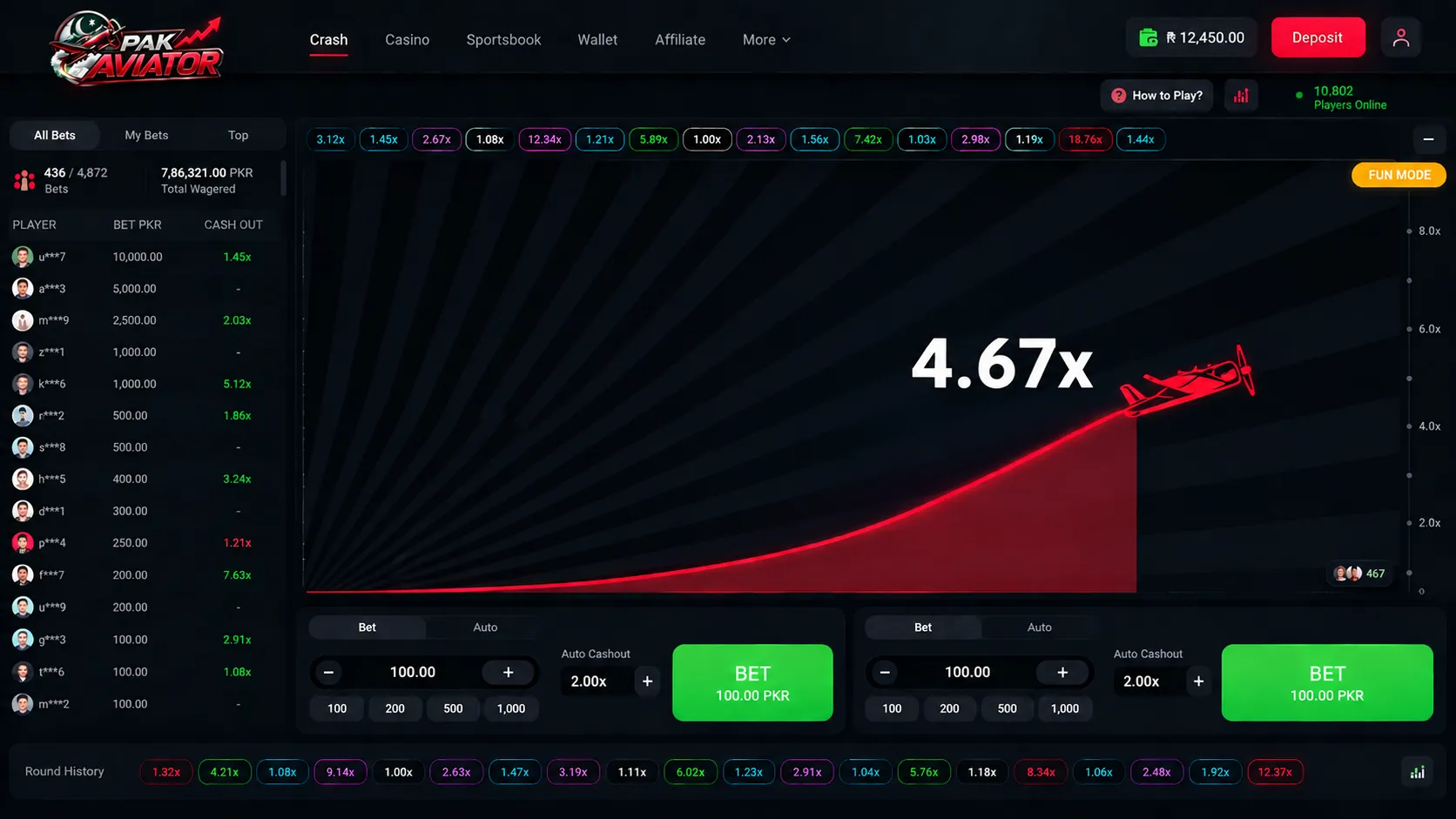
Owning the Game, Not Renting It: Custom Crash Game Development for a Lahore-Based iGaming Operator
READ CASE STUDYTechnologies & Frameworks Powering This Service





Hire Specialized Developers For Your Service Project

Nodejs Developers
Pre-vetted senior Nodejs Developers ready to deploy into your existing architecture in 3-7 days.

Flutter Developers
Pre-vetted senior Flutter Developers ready to deploy into your existing architecture in 3-7 days.

React Developers
Pre-vetted senior React Developers ready to deploy into your existing architecture in 3-7 days.

Python Developers
Pre-vetted senior Python Developers ready to deploy into your existing architecture in 3-7 days.
What Our Clients Say
“Mobile app development and cloud migration were handled smoothly. Strong technical skills, clear communication, and dependable post-launch support stood out throughout the engagement.”

Sarah Mitchell
Director of Operations, HealthFirst Clinics
Have a Project in Mind?
Let's Build It Together.
Connect directly with our senior software architects and technical leads. We evaluate your requirements and deliver an actionable technical proposal within 24 hours.
Strict NDA Protection
Your intellectual property and technical specs remain 100% confidential.
24-Hour Response Guarantee
Guaranteed evaluation and scoping reply from an engineering manager.
Zero Obligation Estimate
Get accurate cost breakdowns and tech stack recommendations free of charge.
Request Free Technical Consultation
Let's build something serious.
Diagnose your system architecture, budget ranges, and roadmap parameters with an expert.
Scoping Diagnostic
Analyze your workflows in 60 seconds. A senior AI architect reviews every parameter personally.
 4.9/5.0 Partner
 4.8/5.0 Leader
 4.9/5.0 Rated
 4.8/5.0 Excellent
Not sure where AI actually moves the needle for you?
Answer a few brief questions. We will deliver a highly concrete scoping plan within 24 hours including:
- Recommendations on automation use-cases and MVP components
- Calculations on expected ROI and engineering timelines
- A structural roadmap to make your legacy stack AI-native